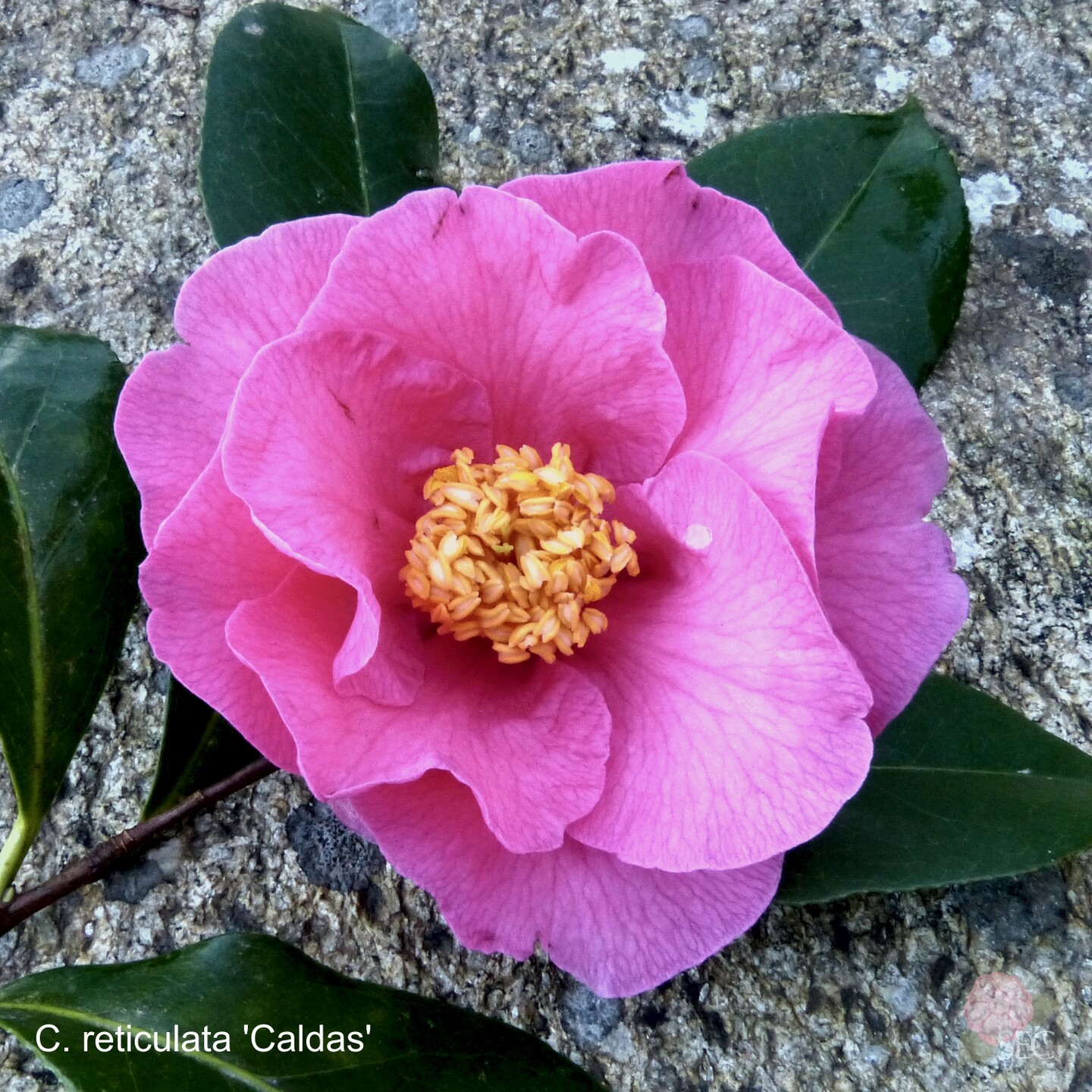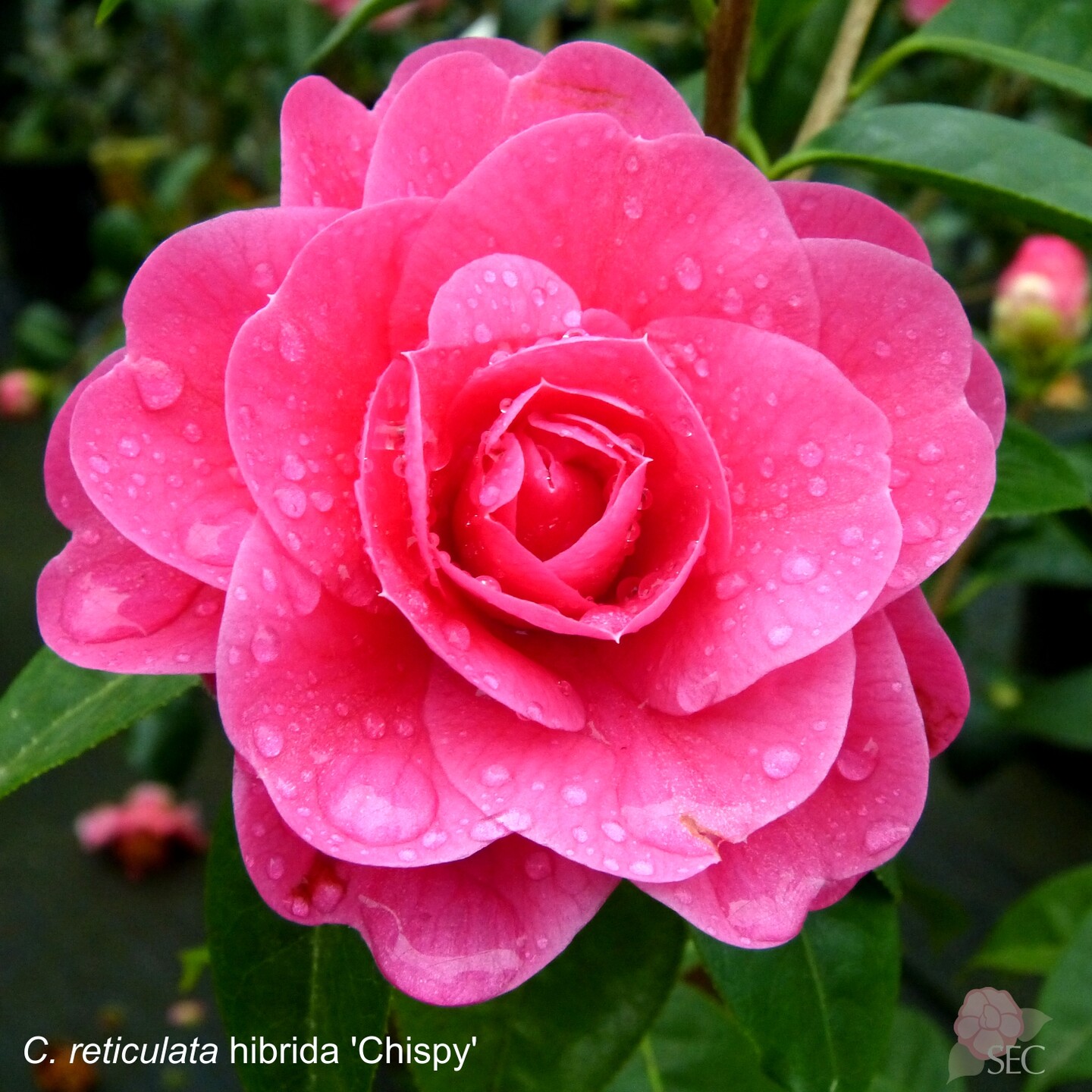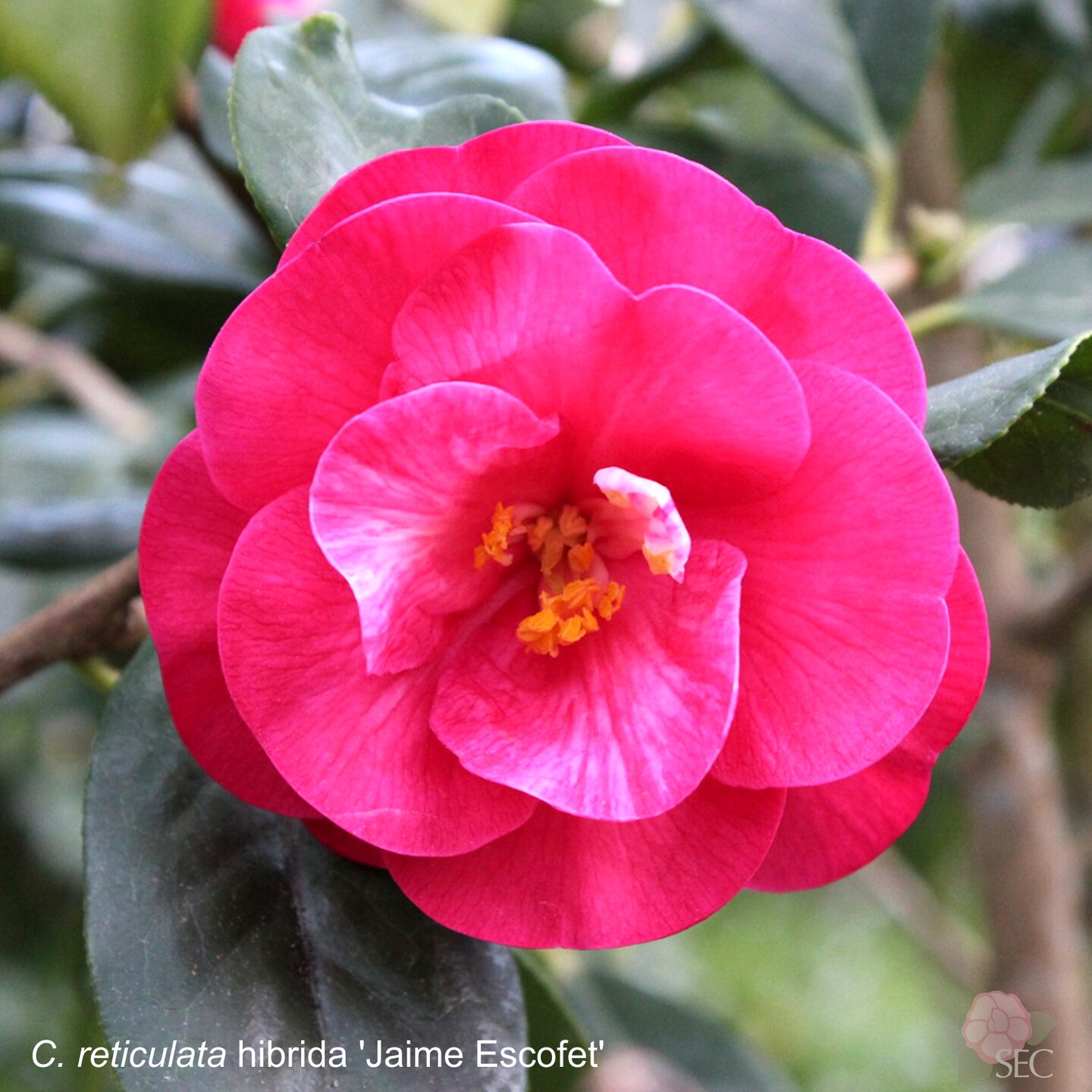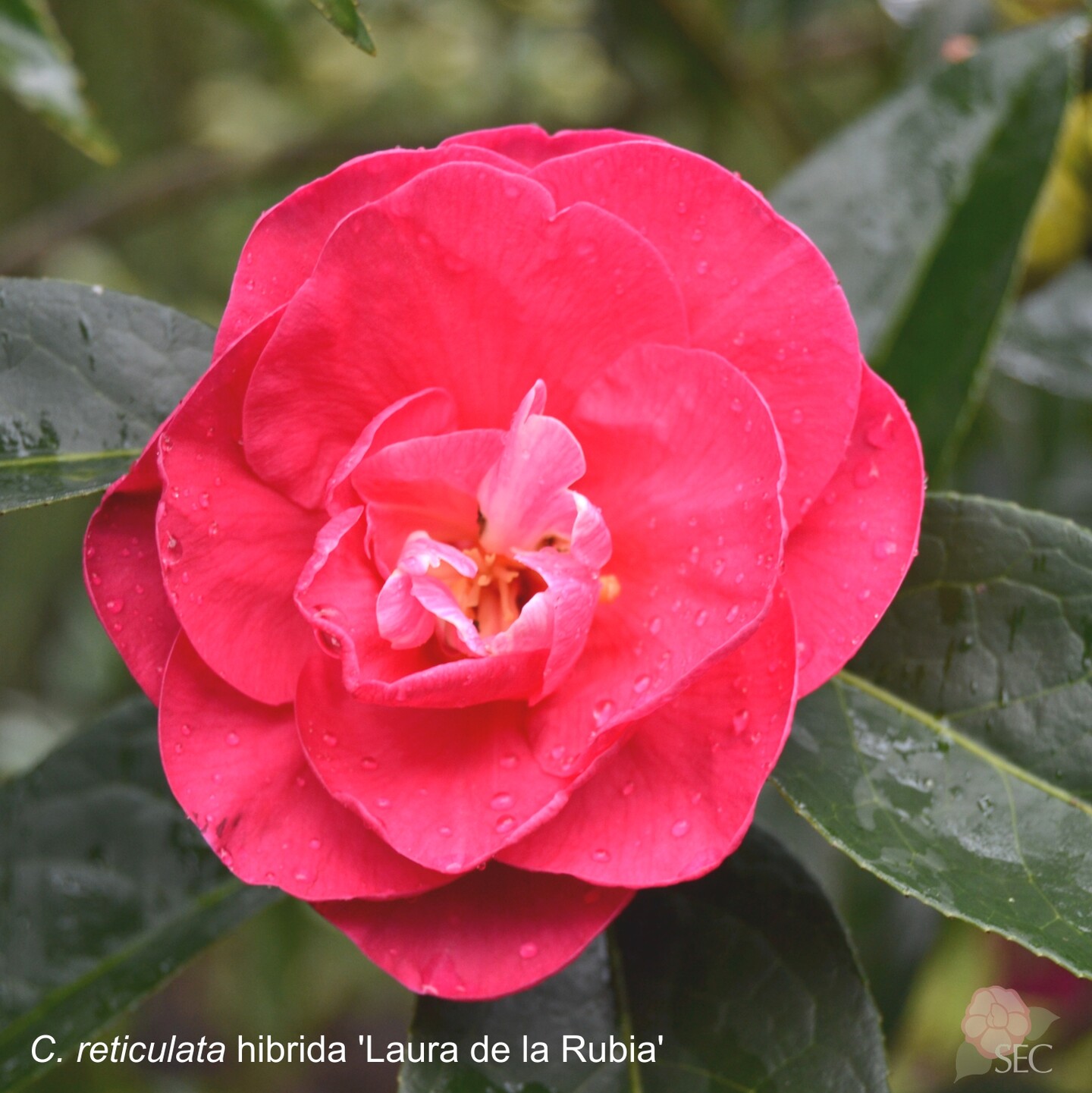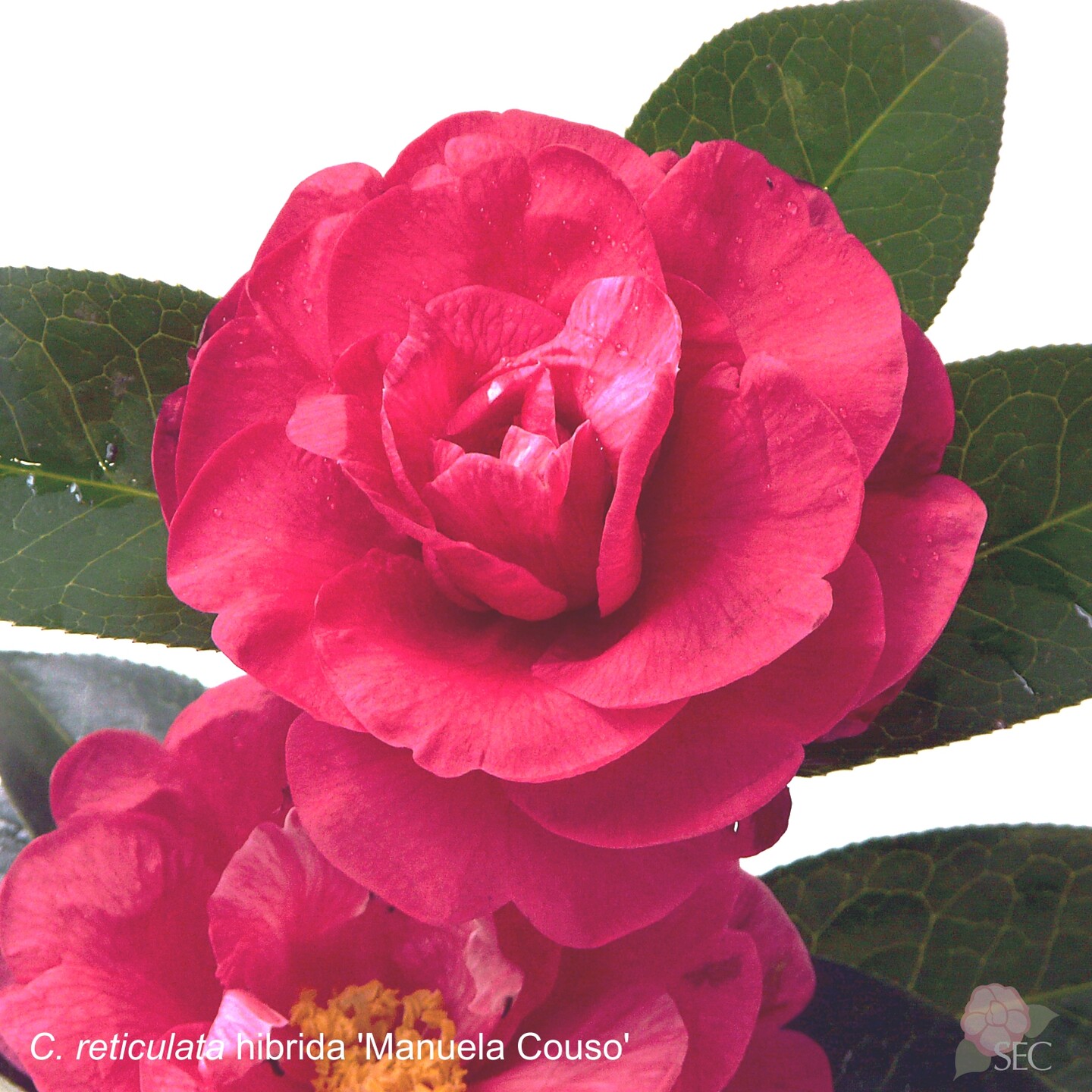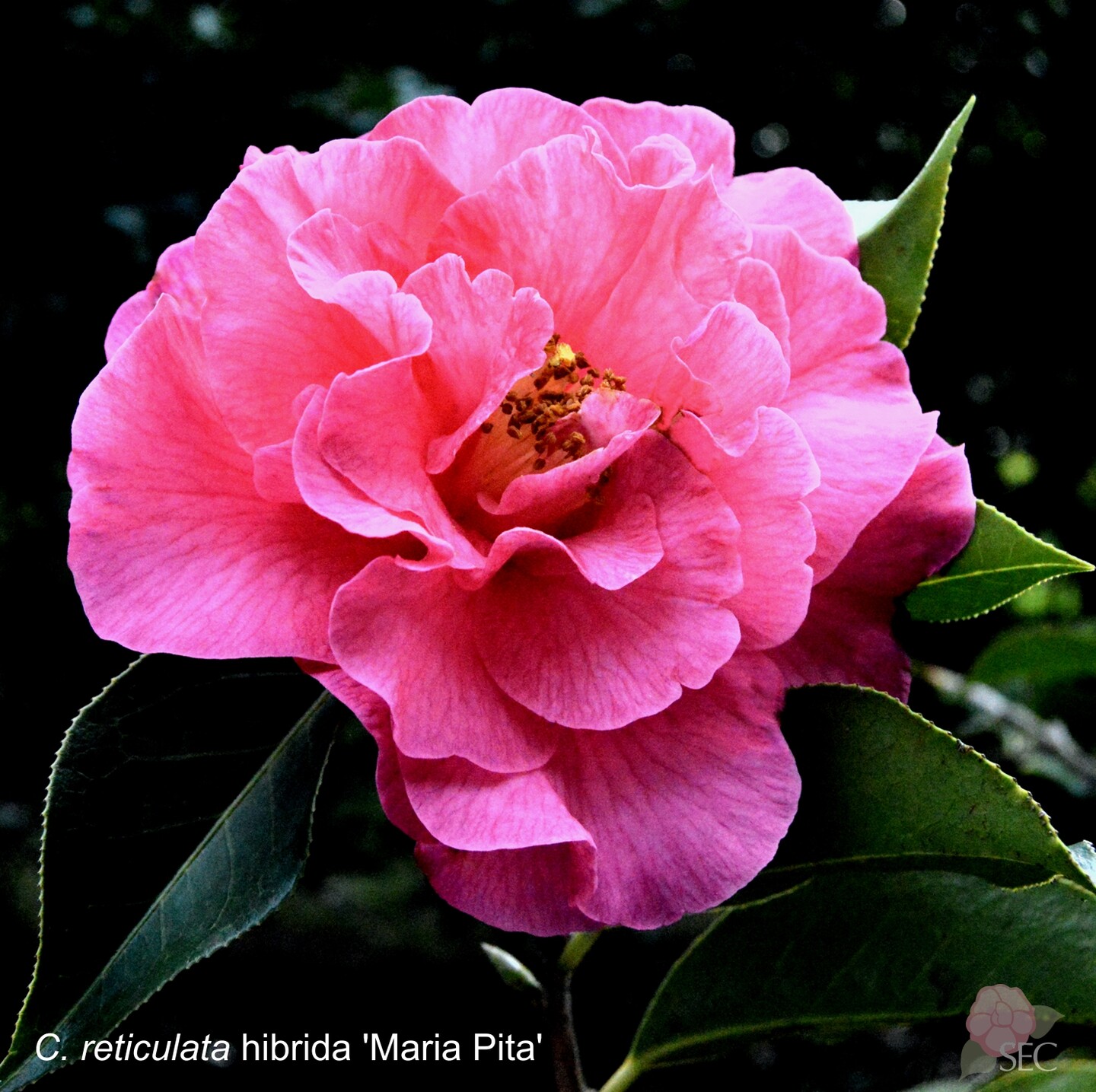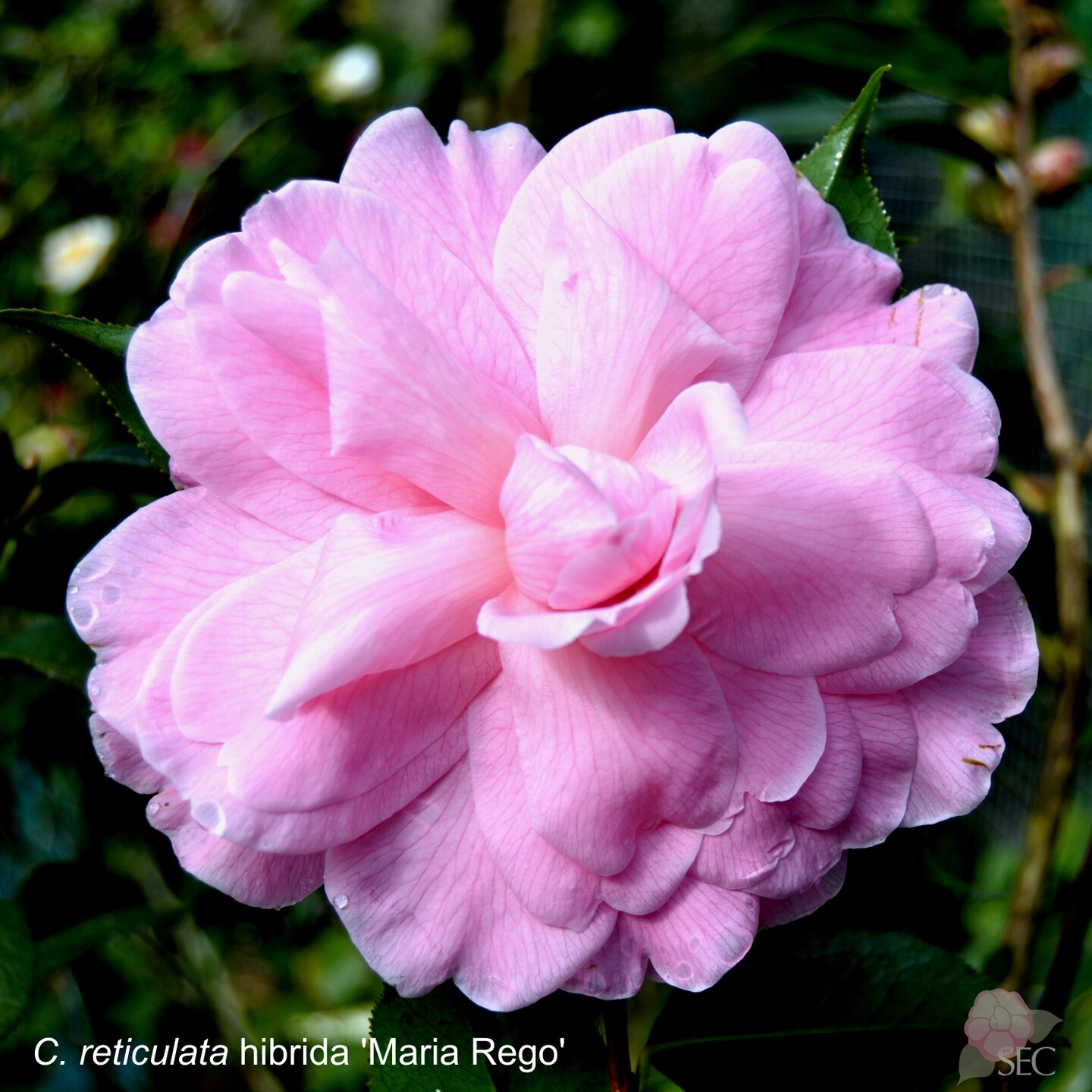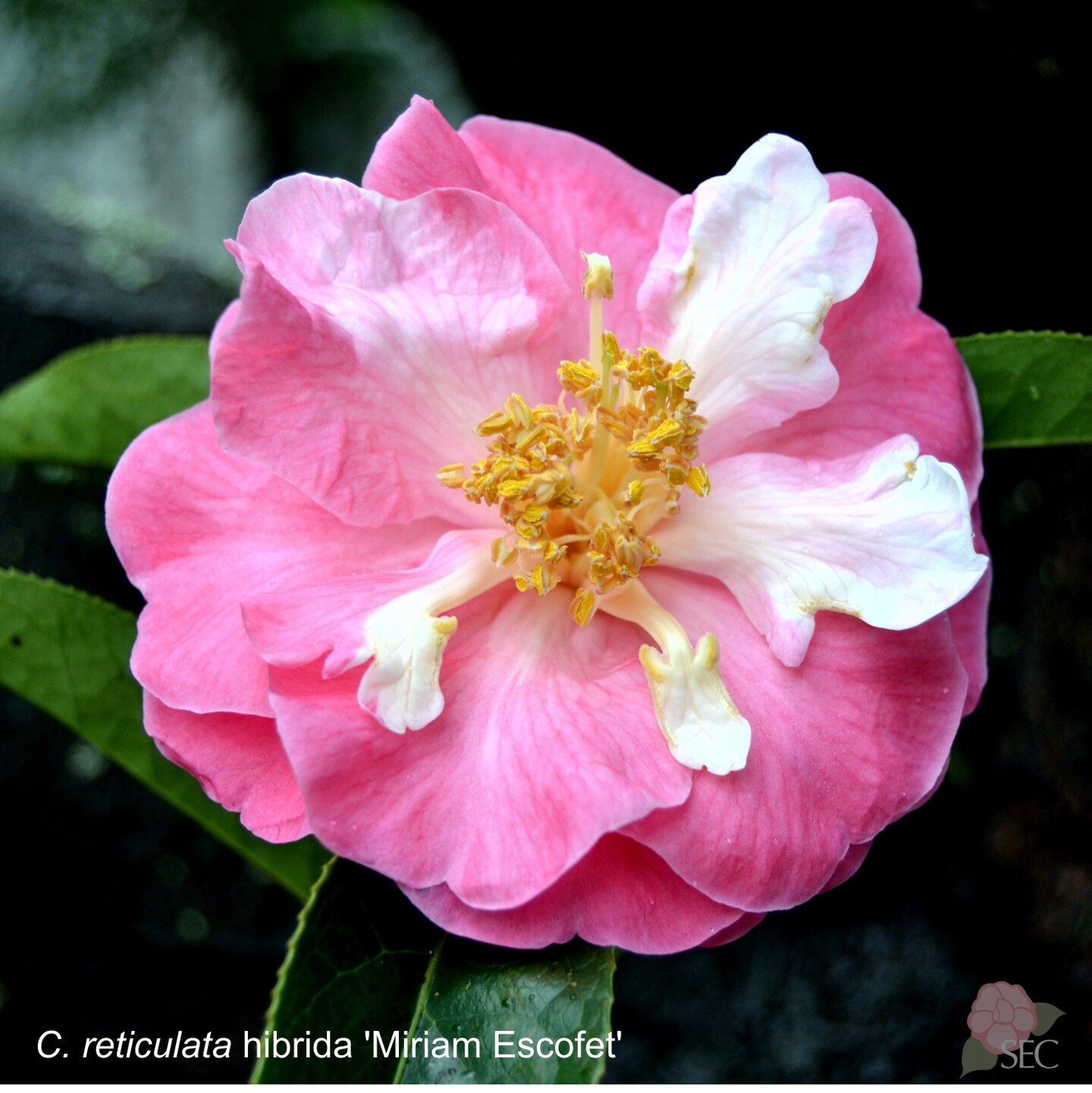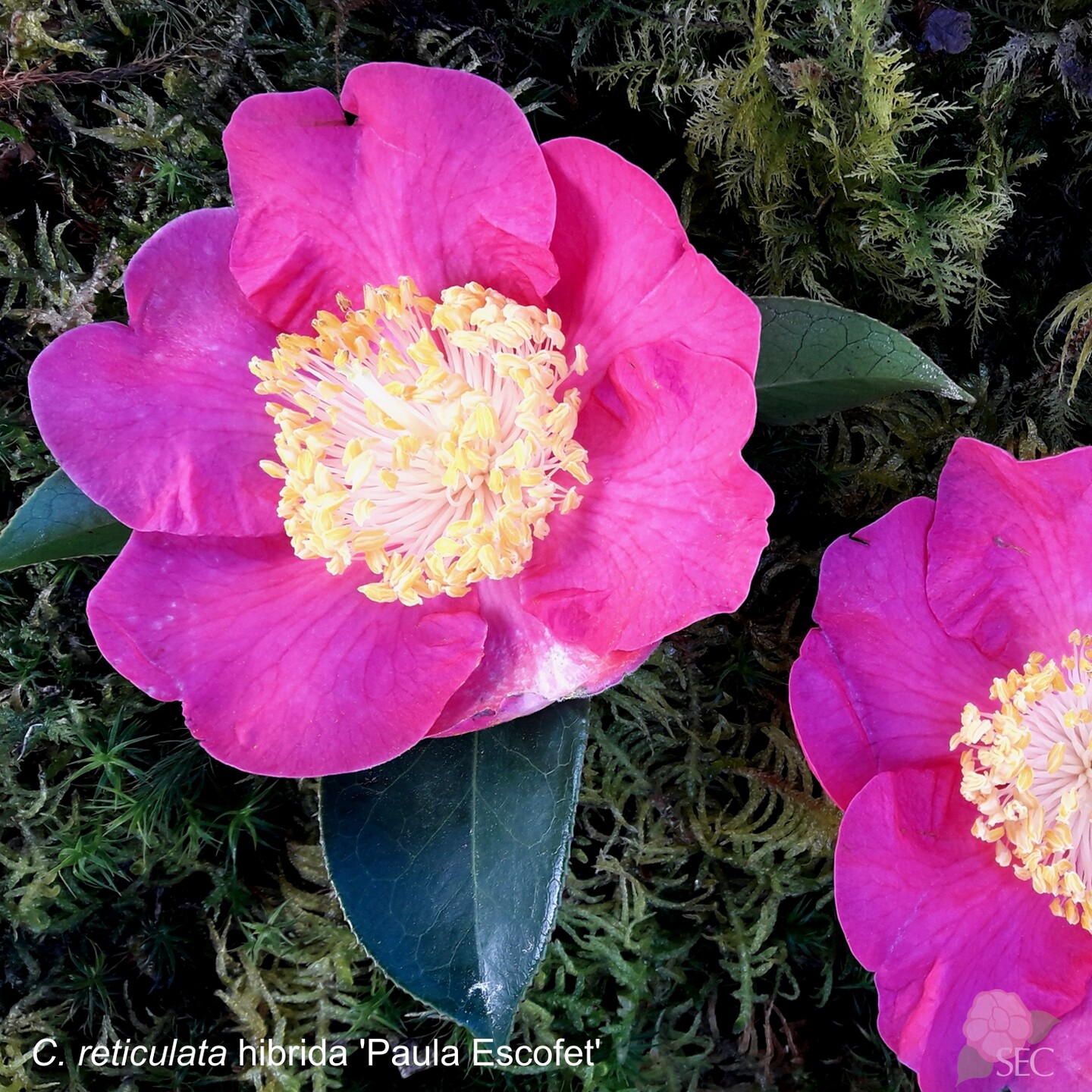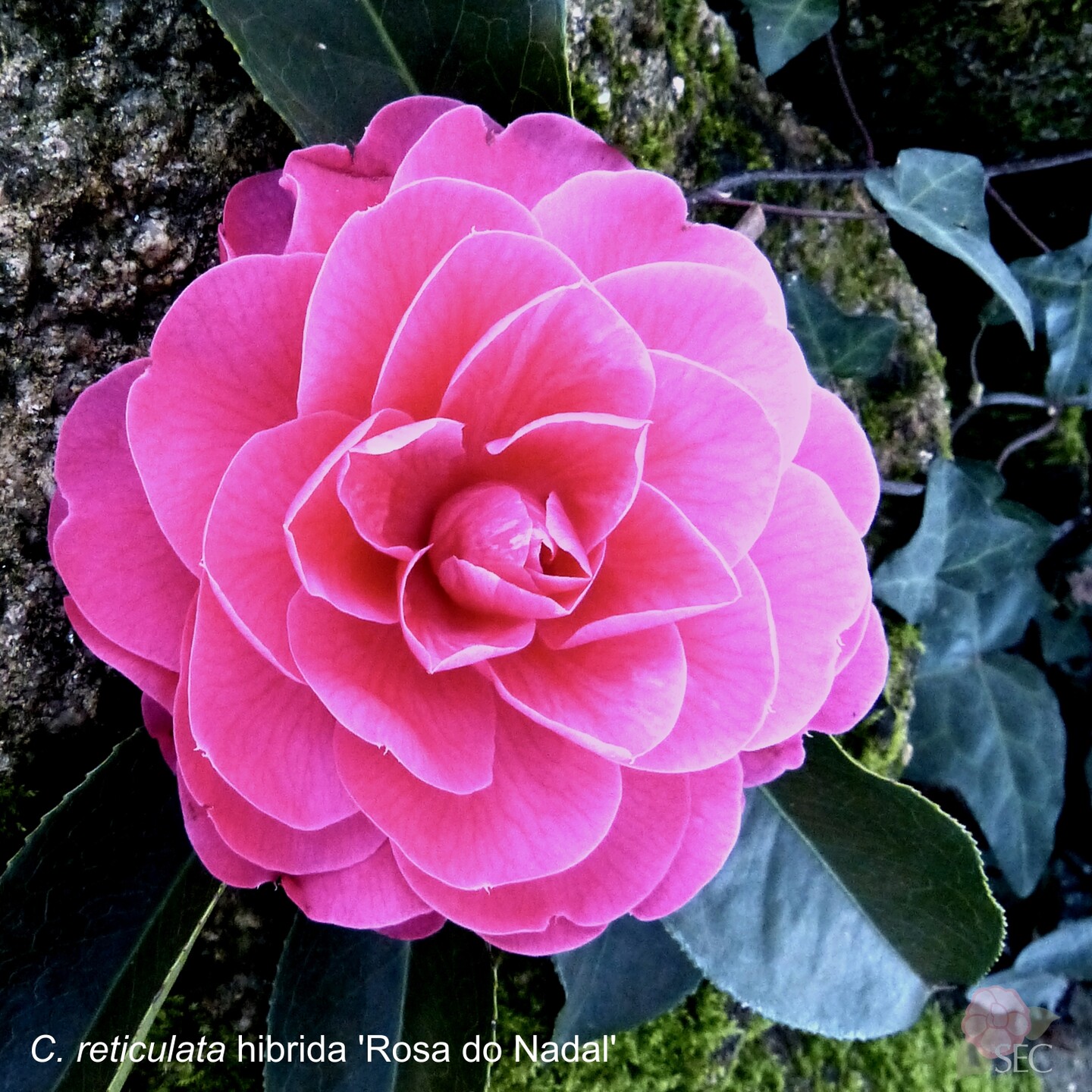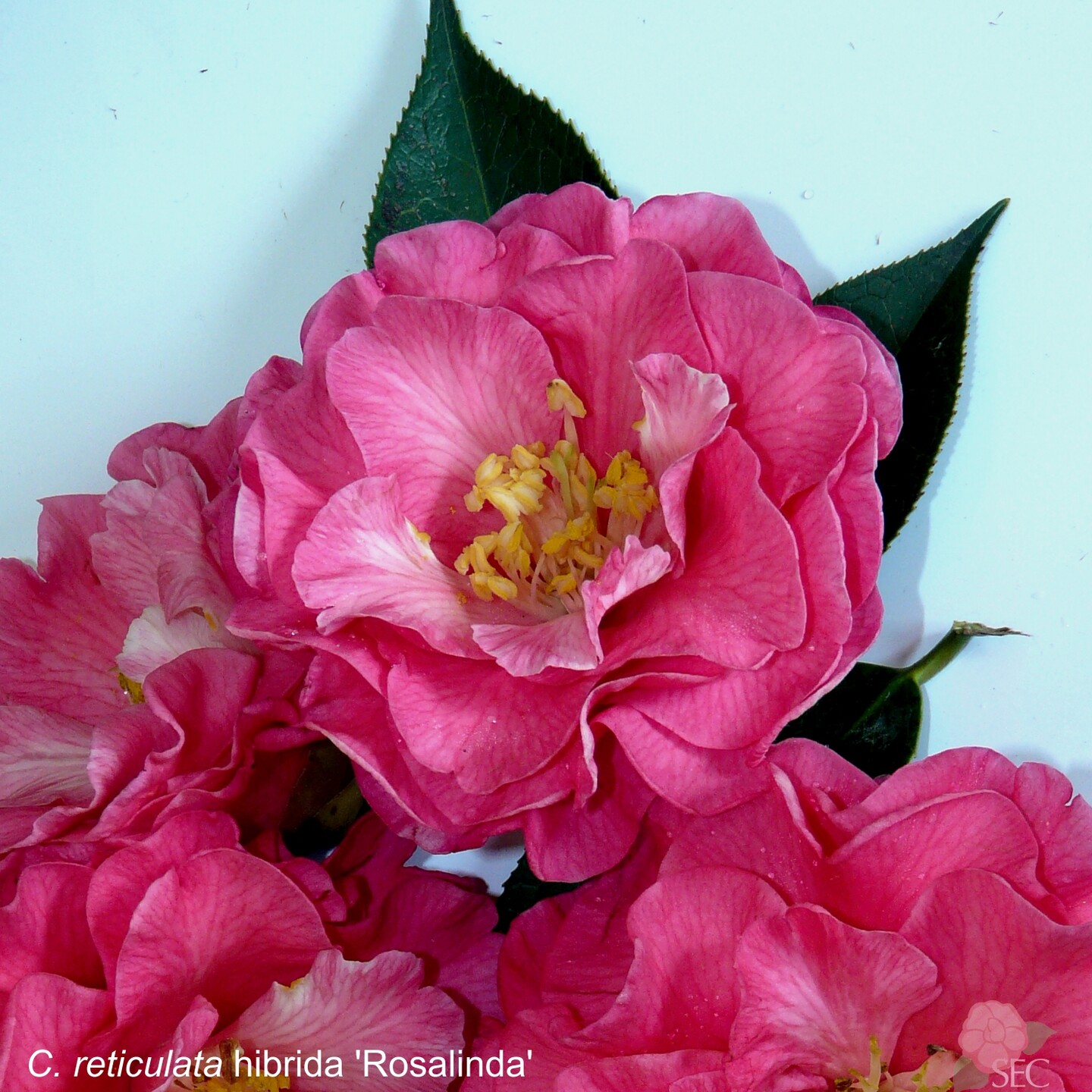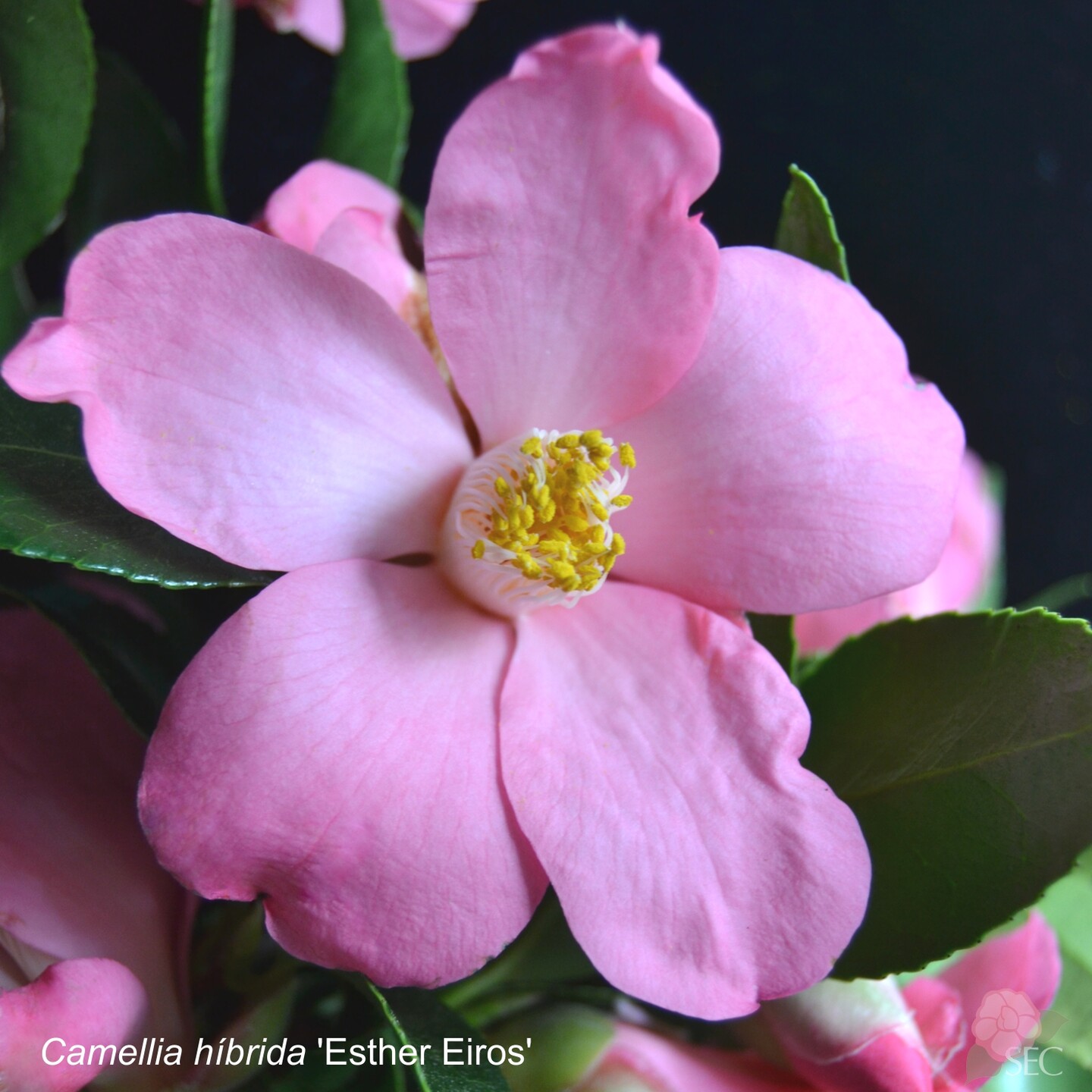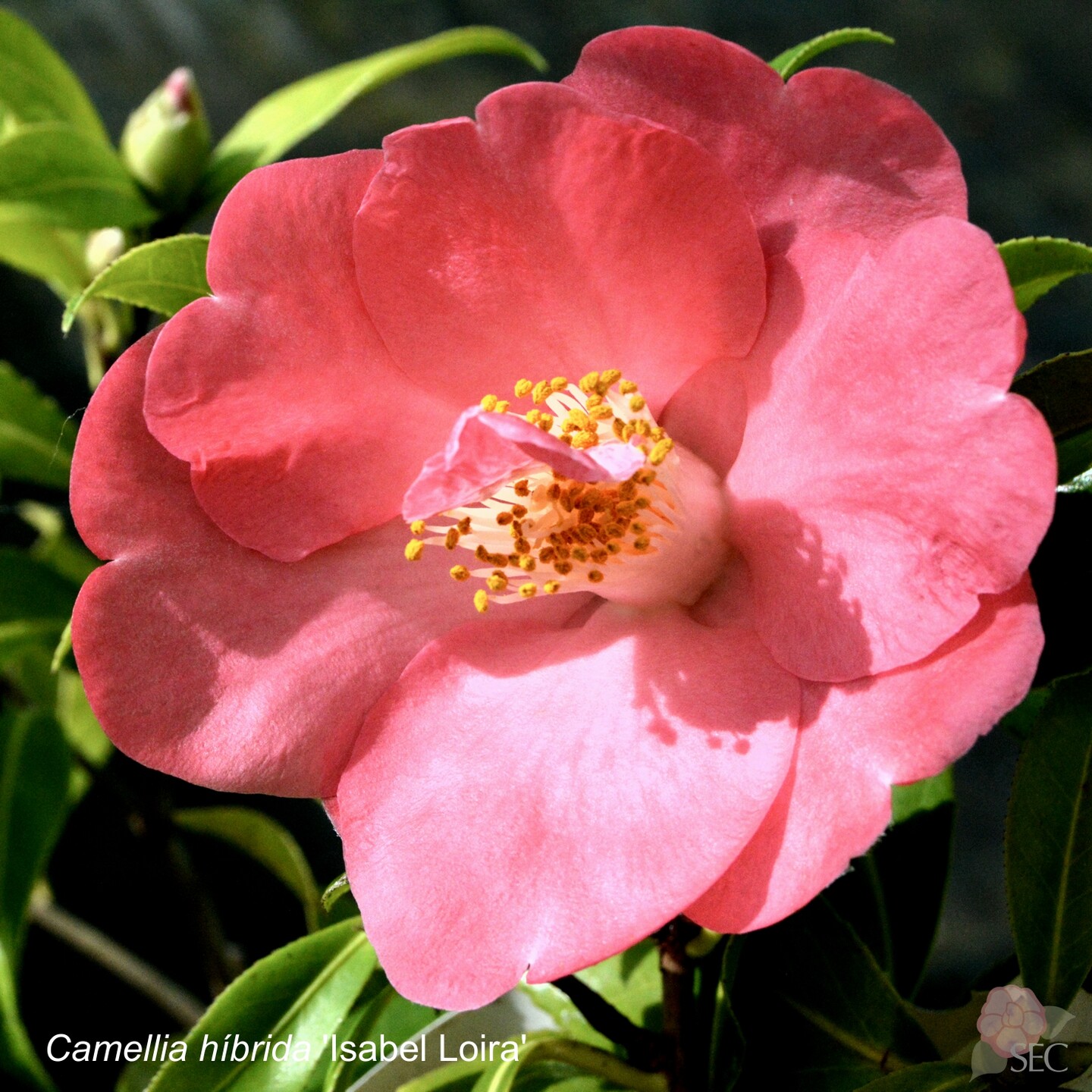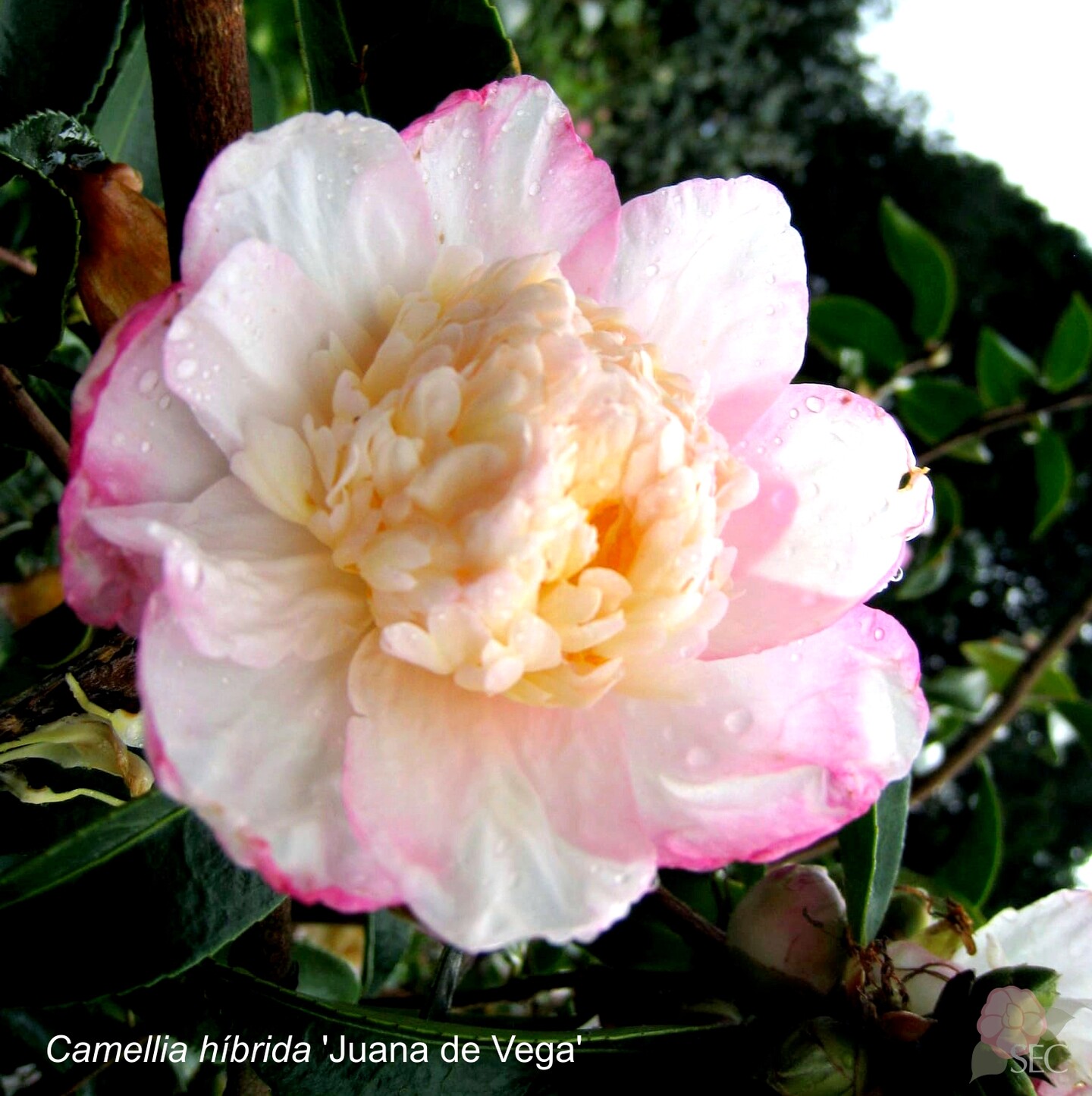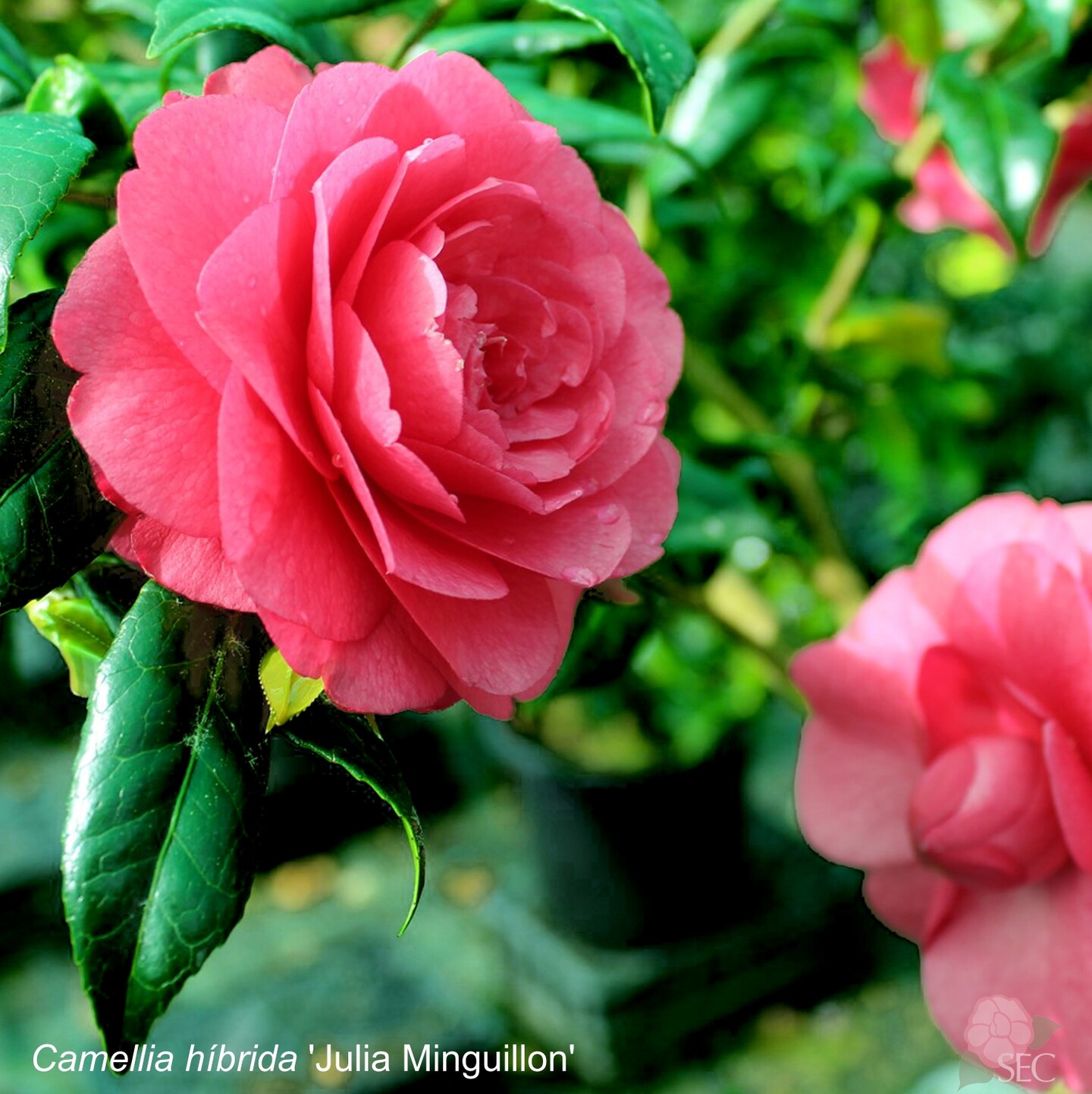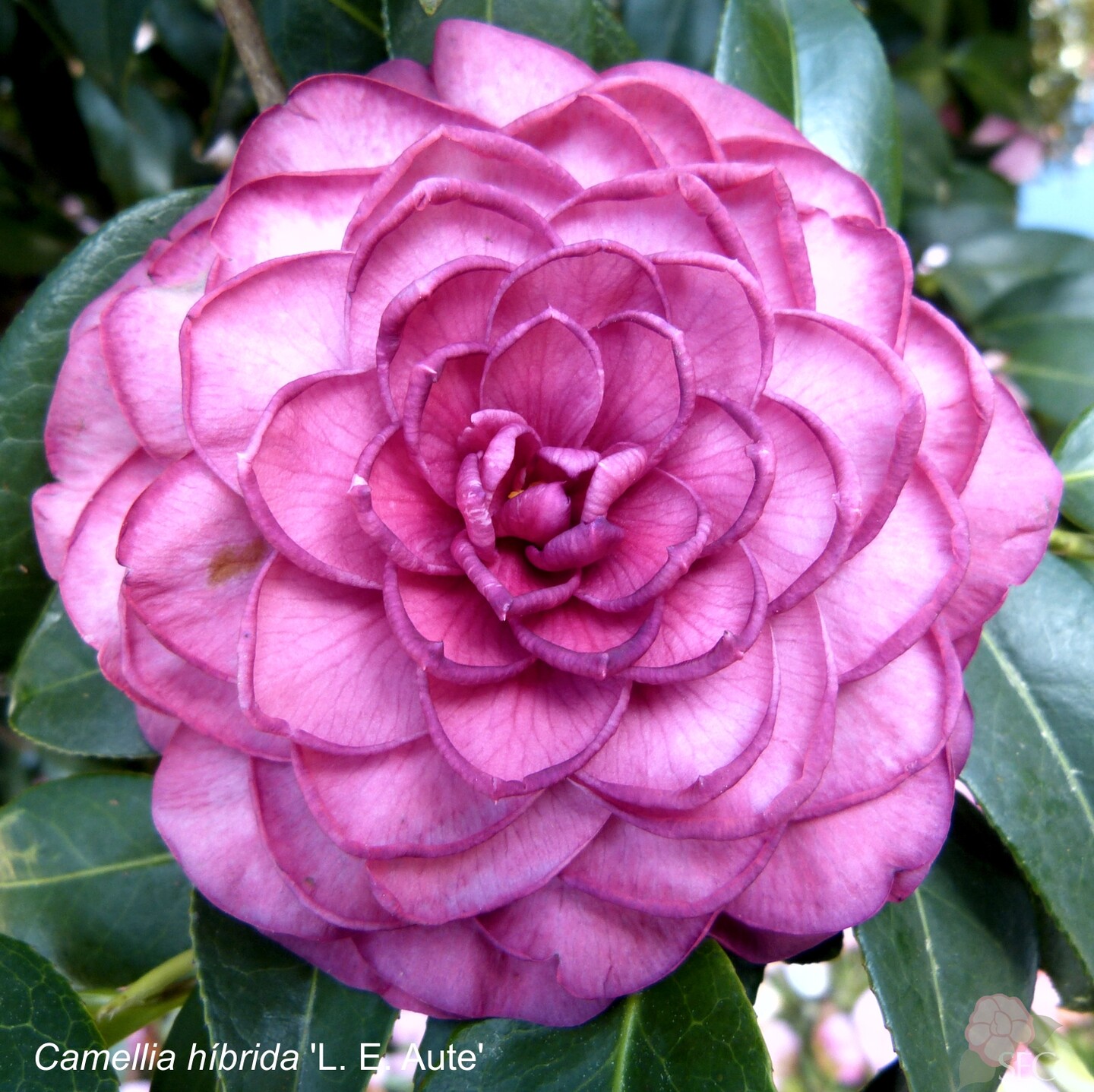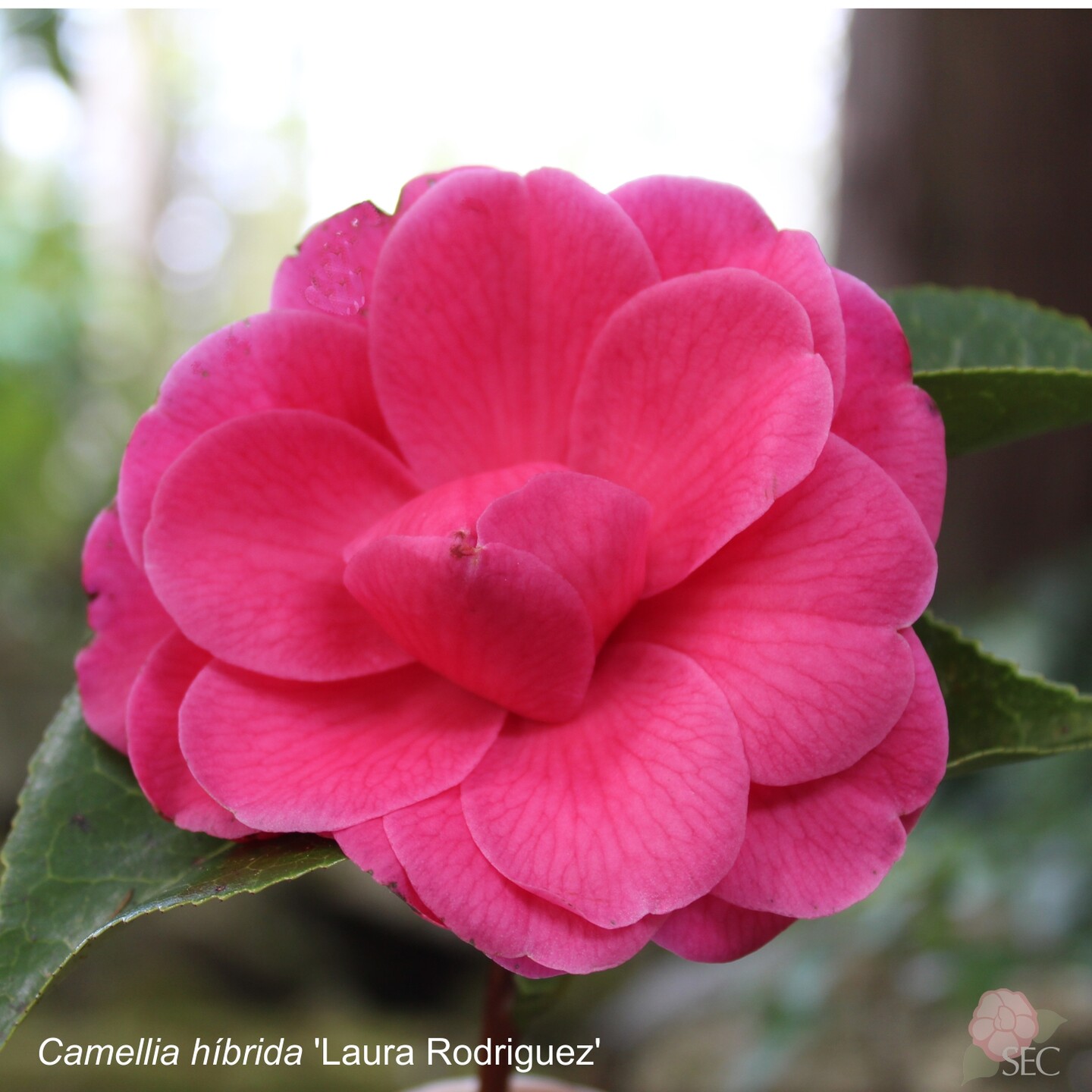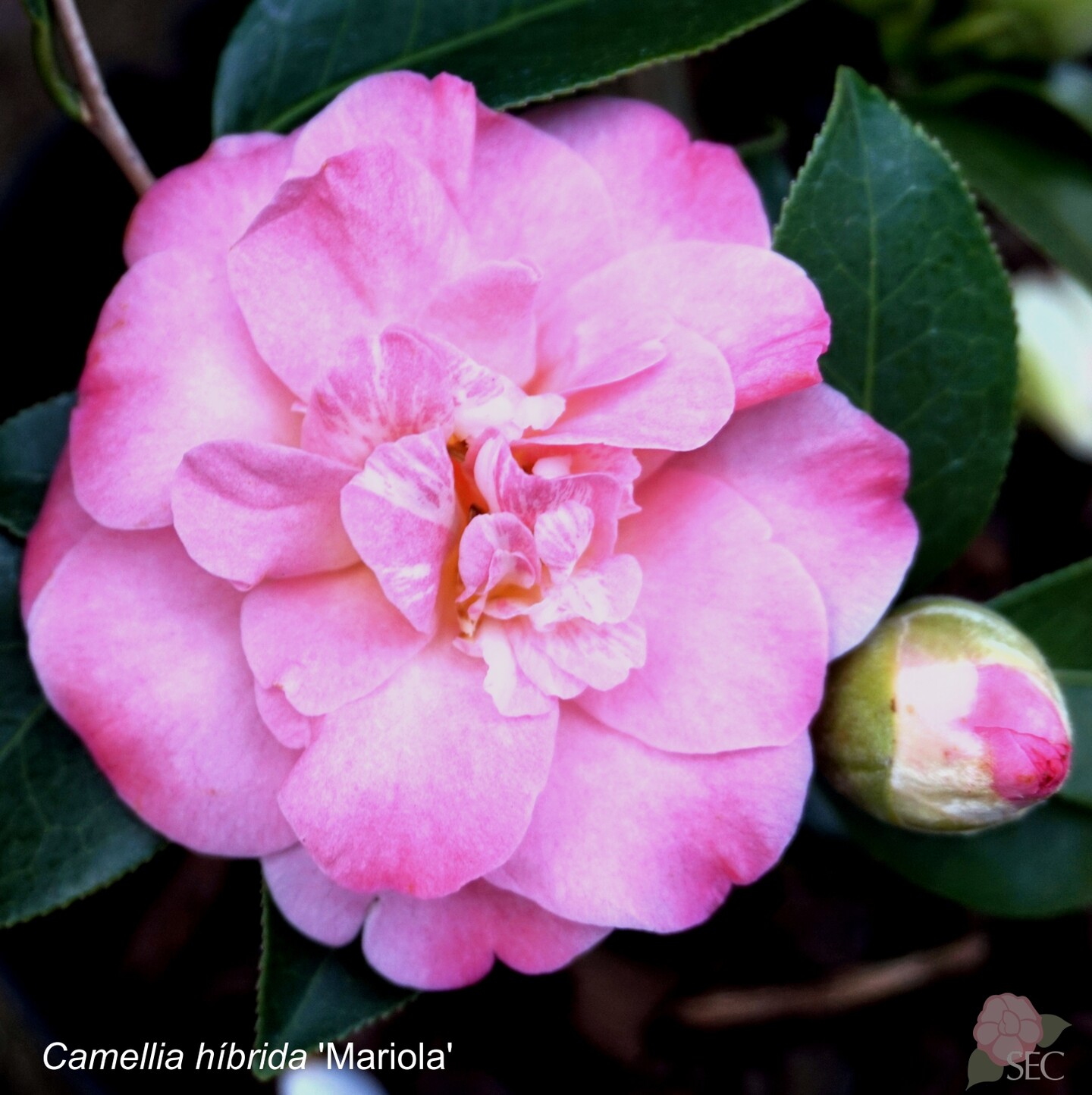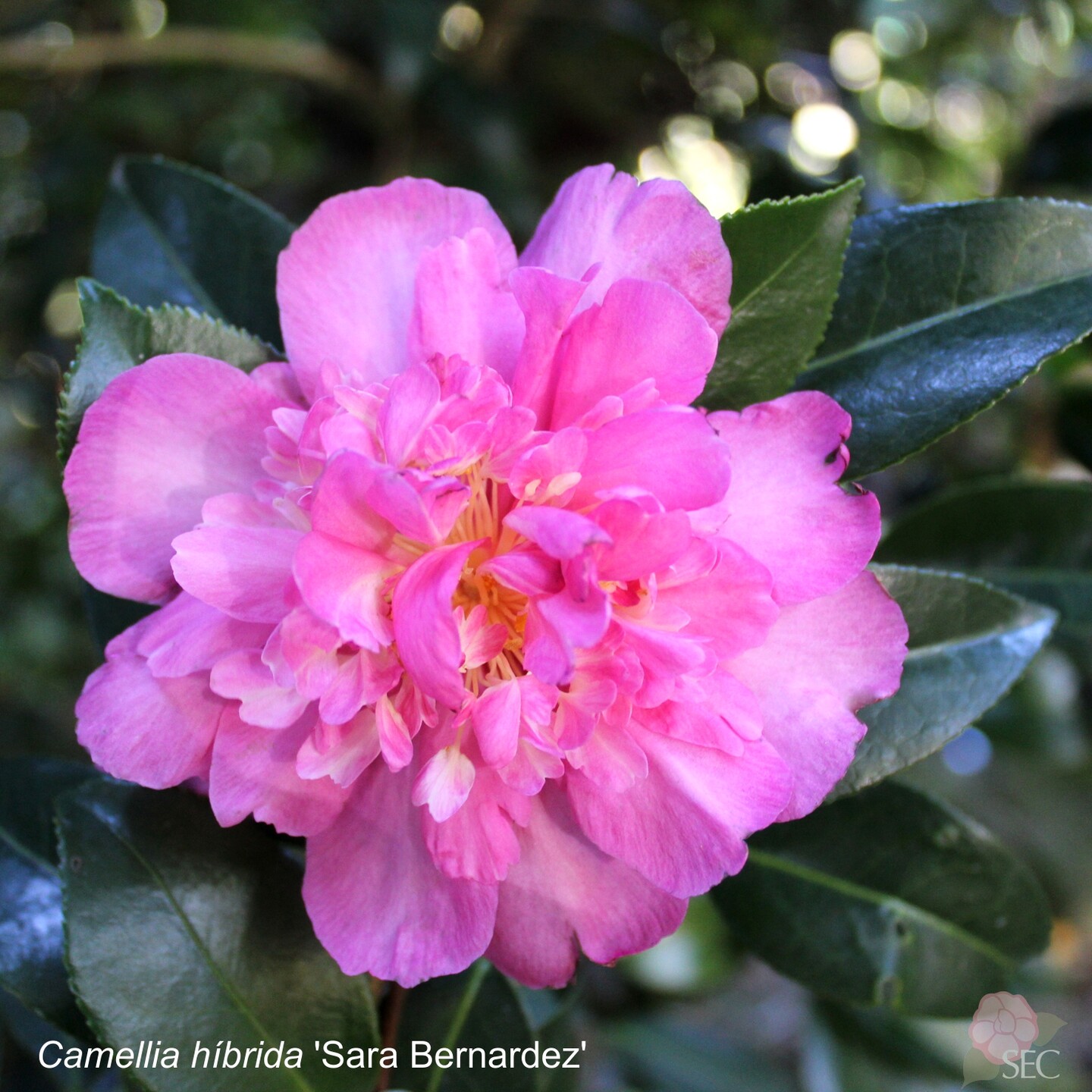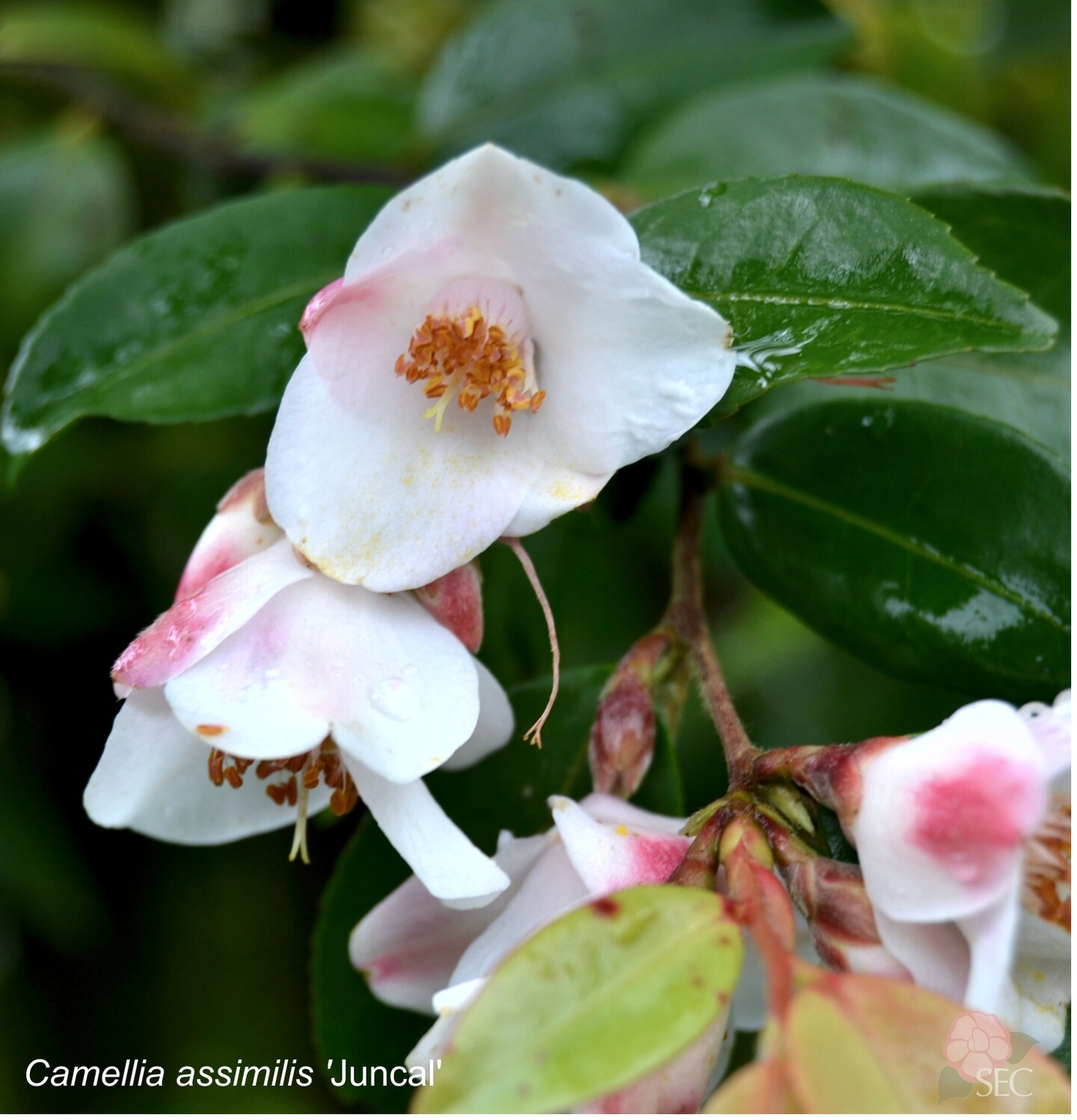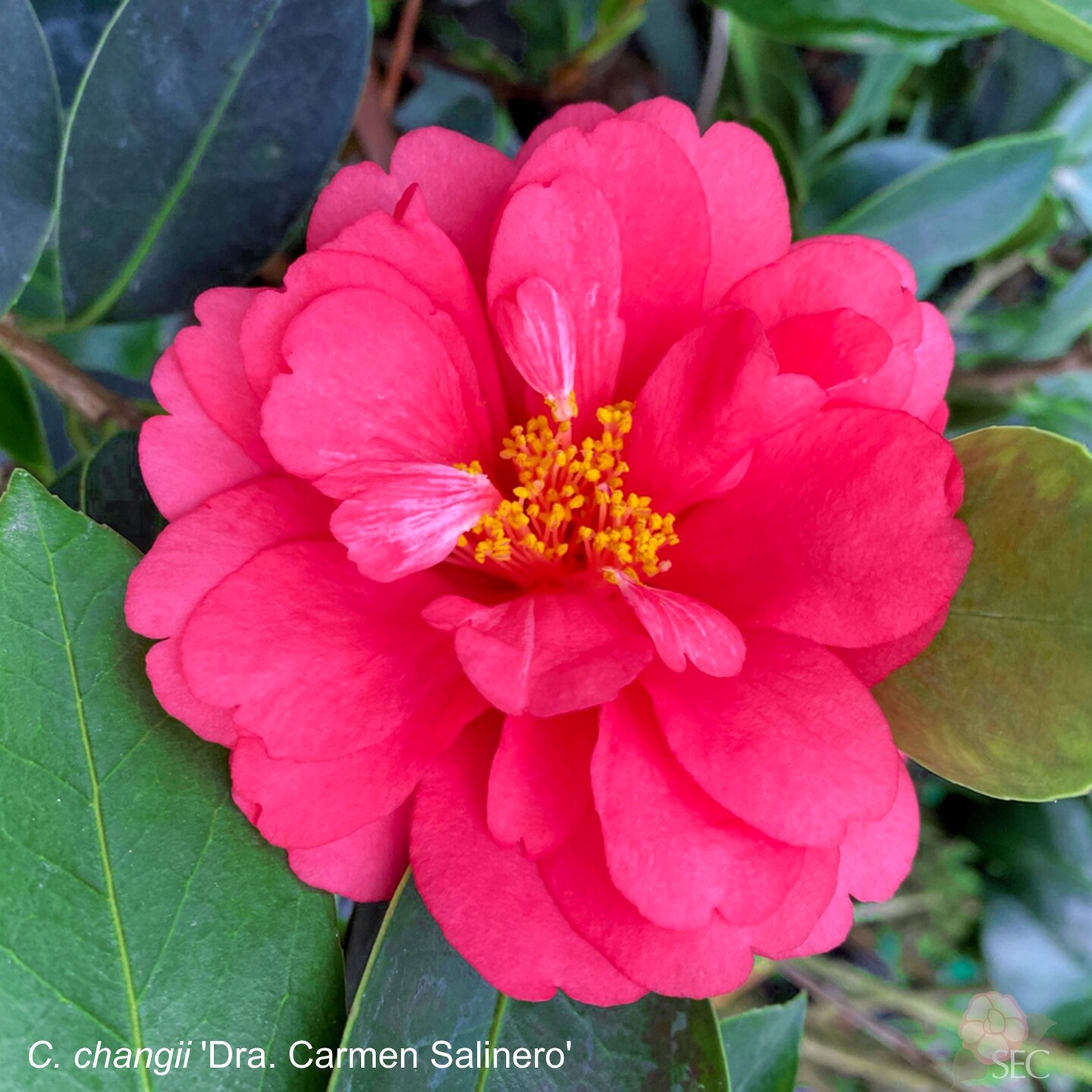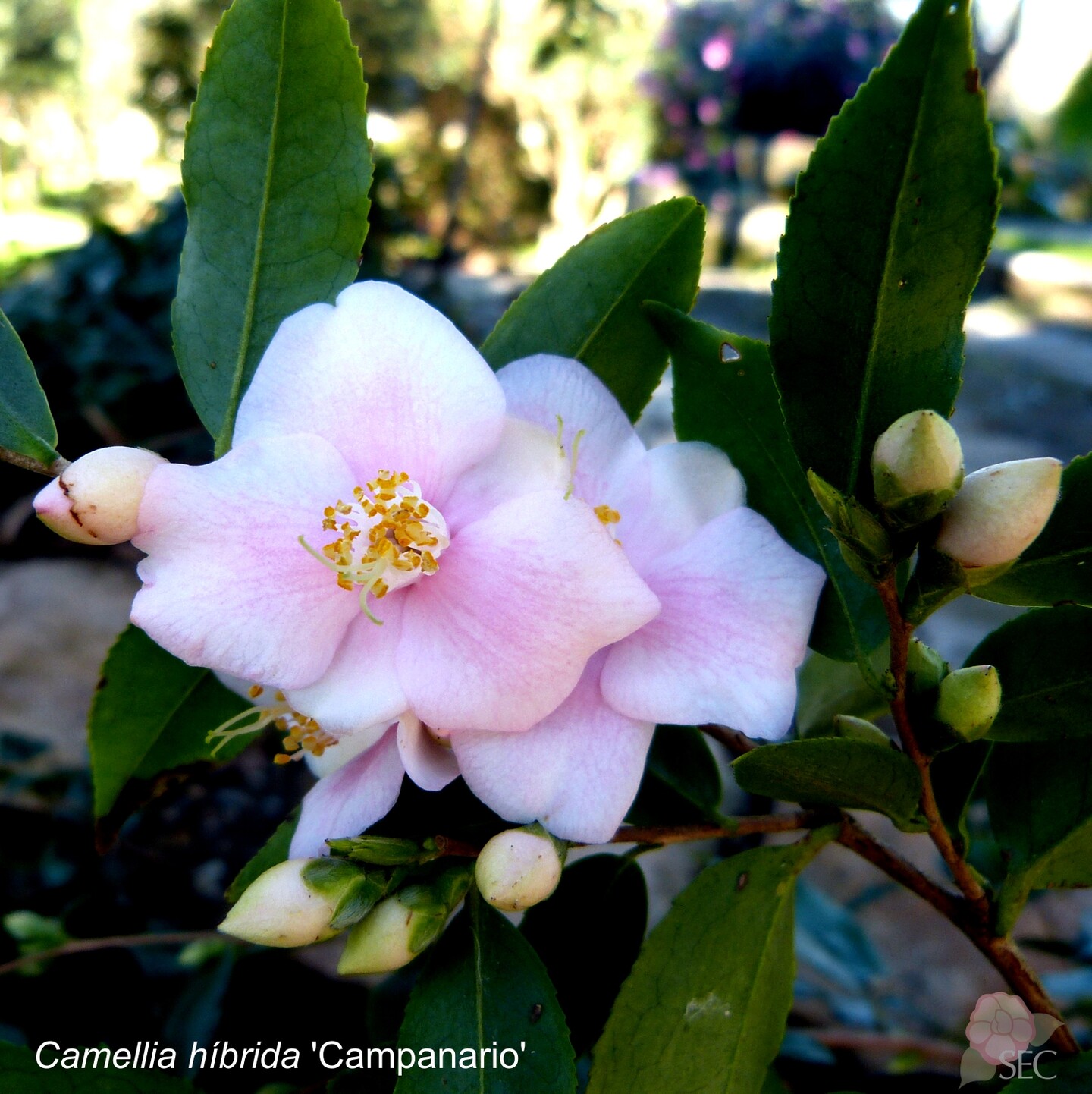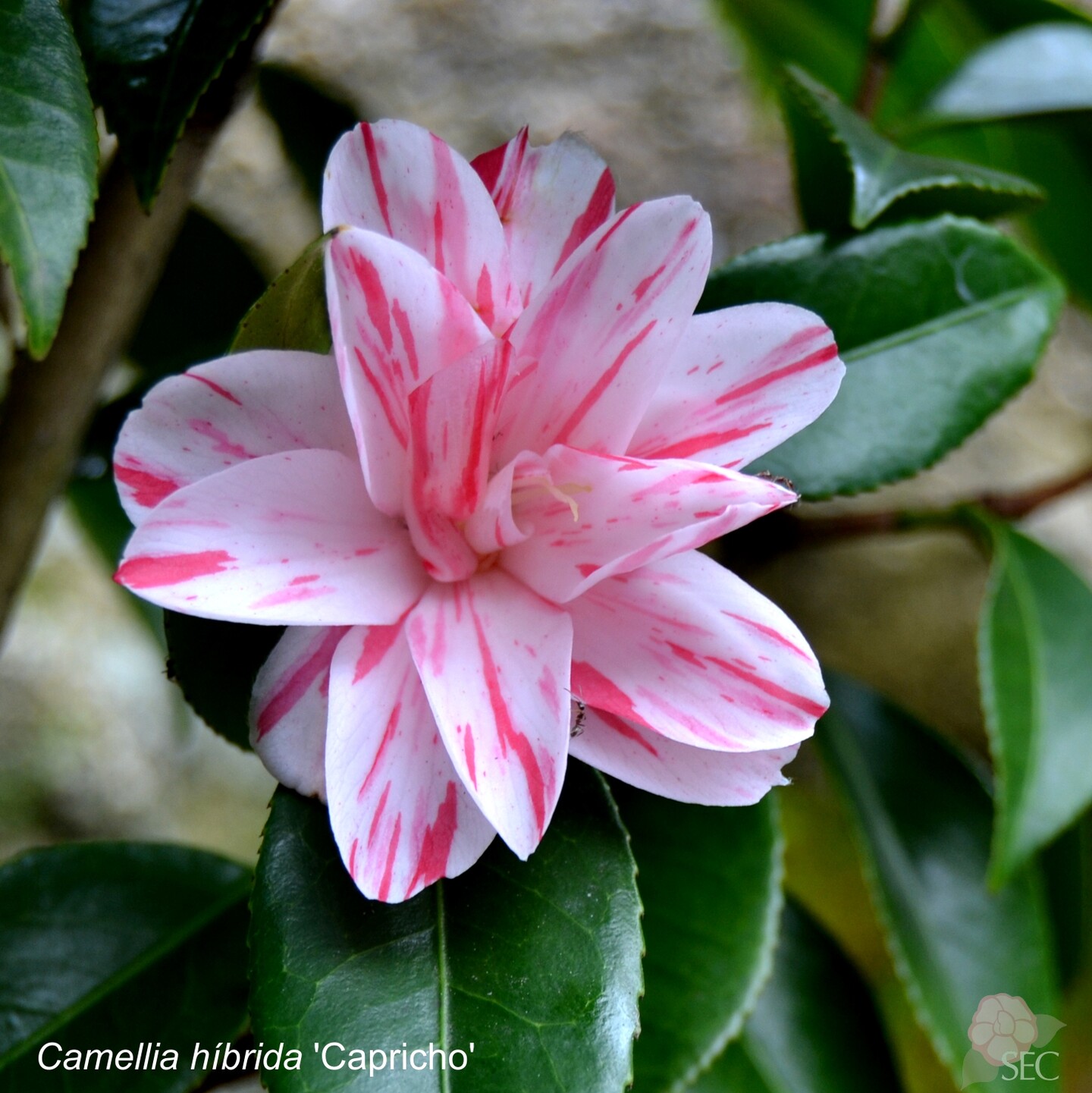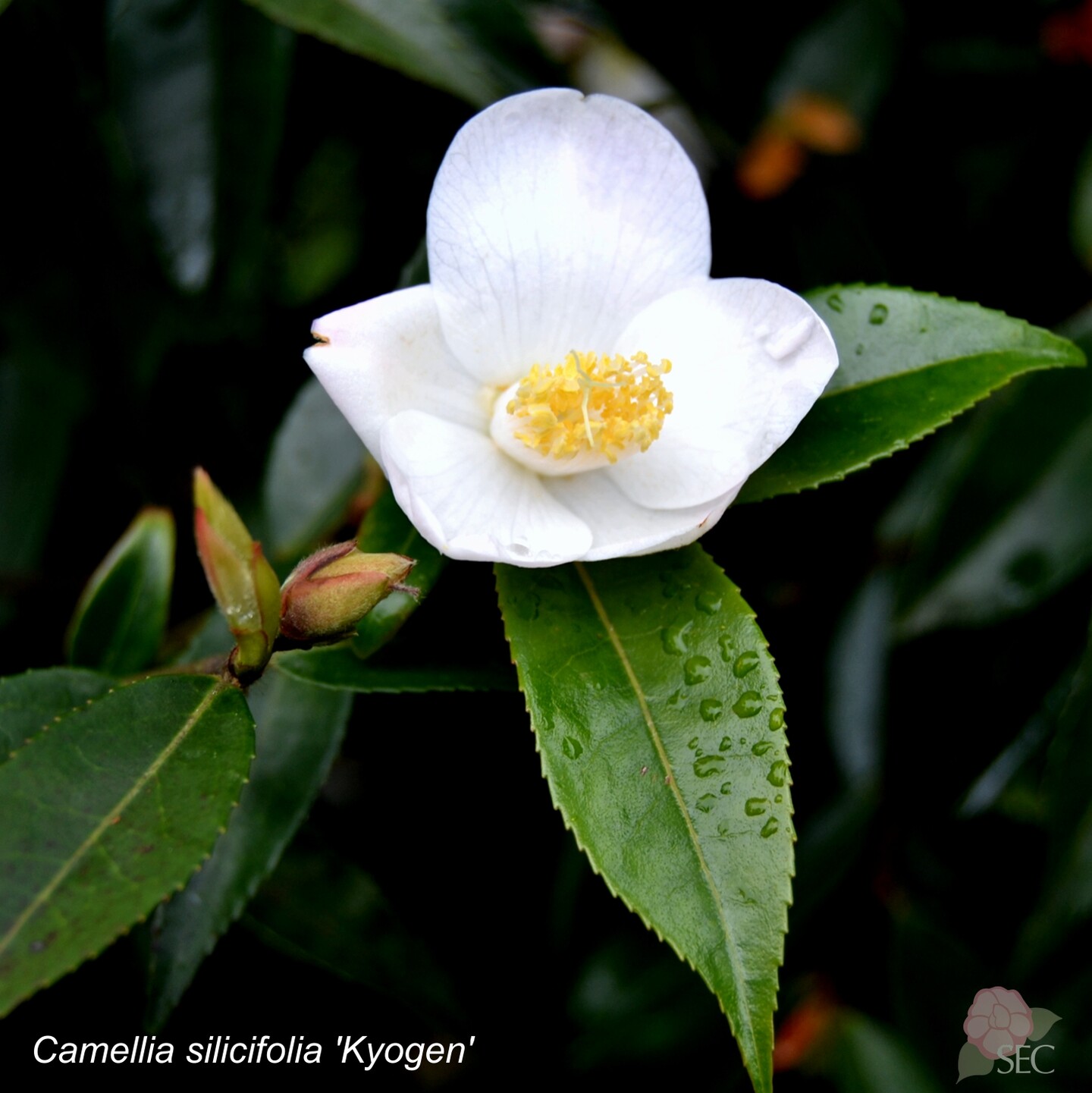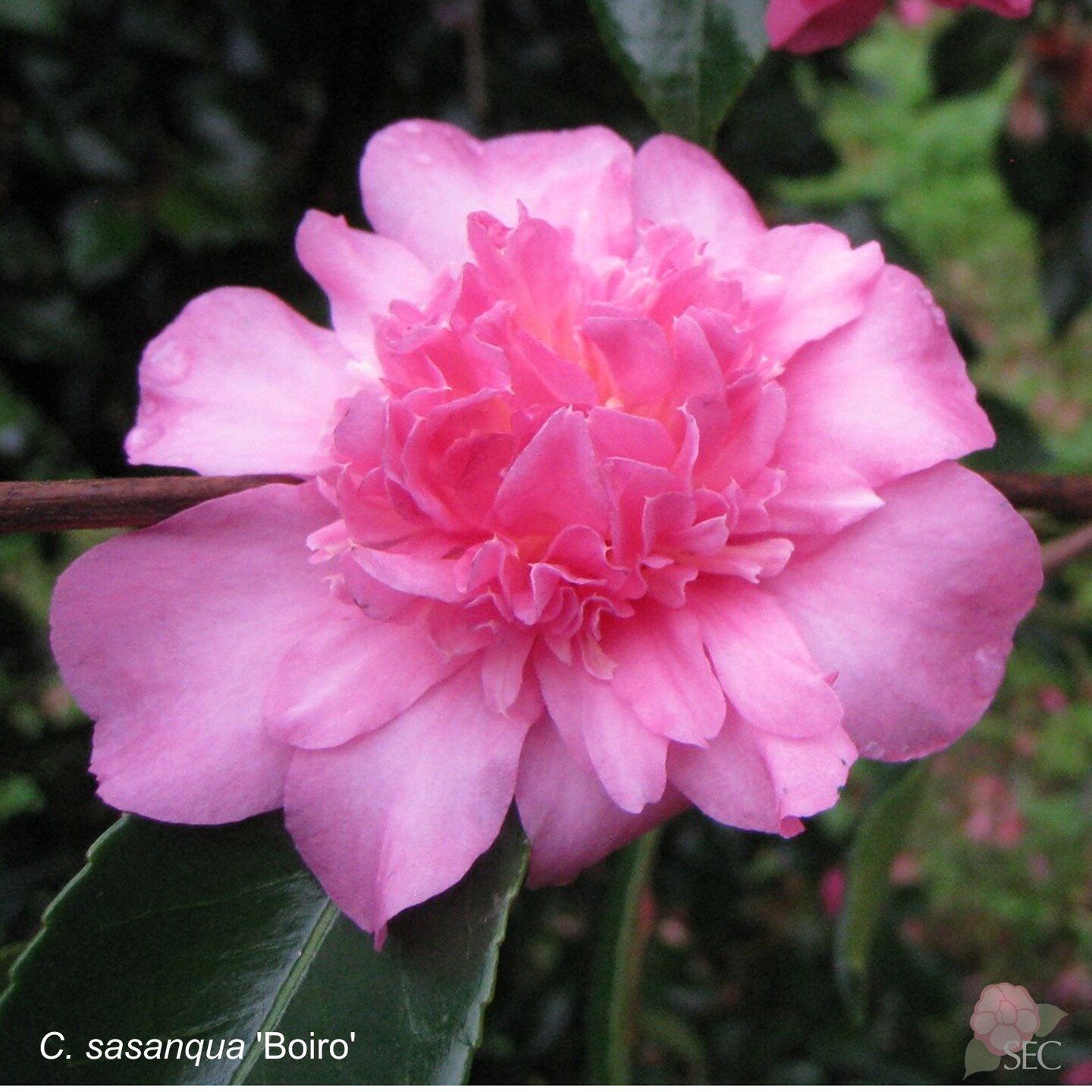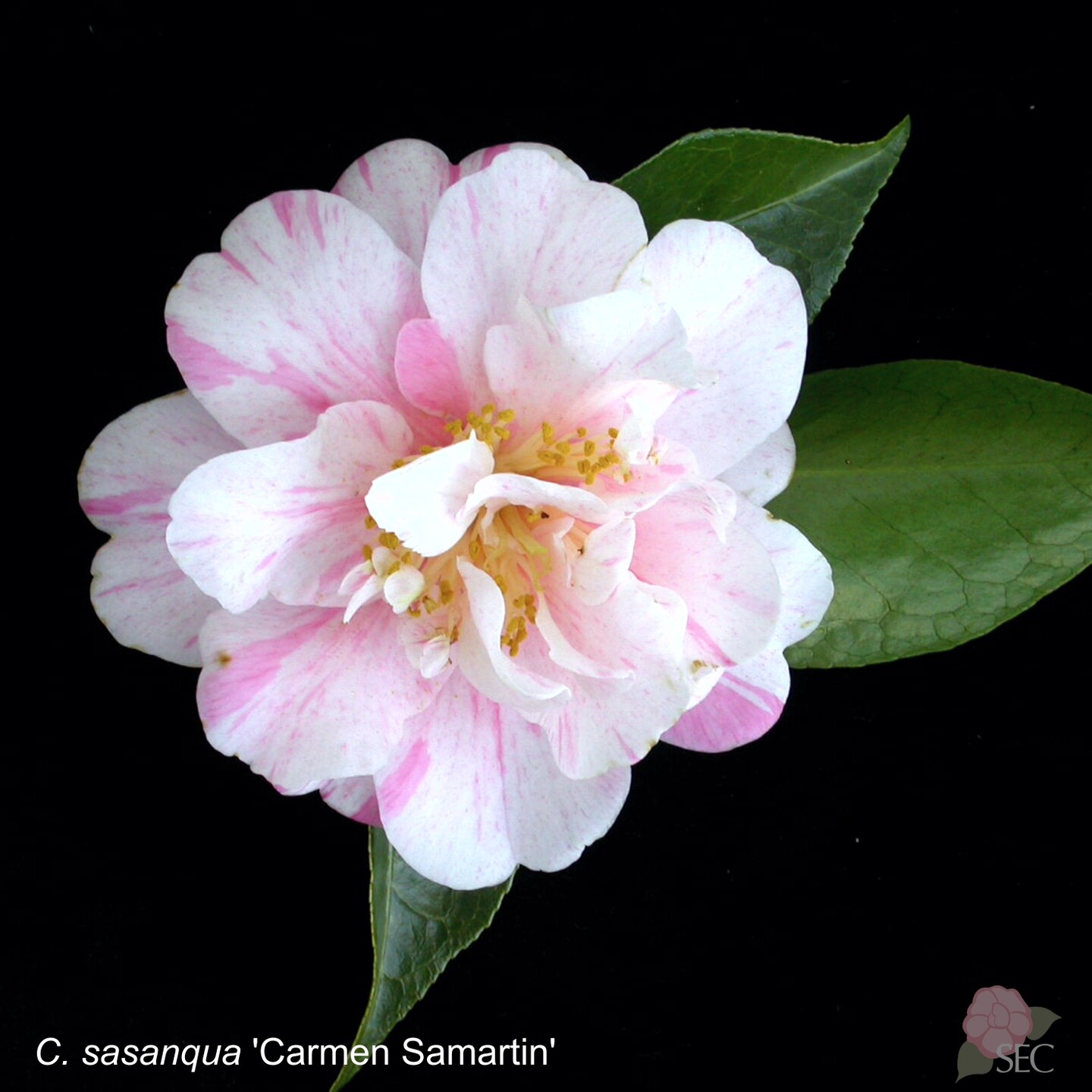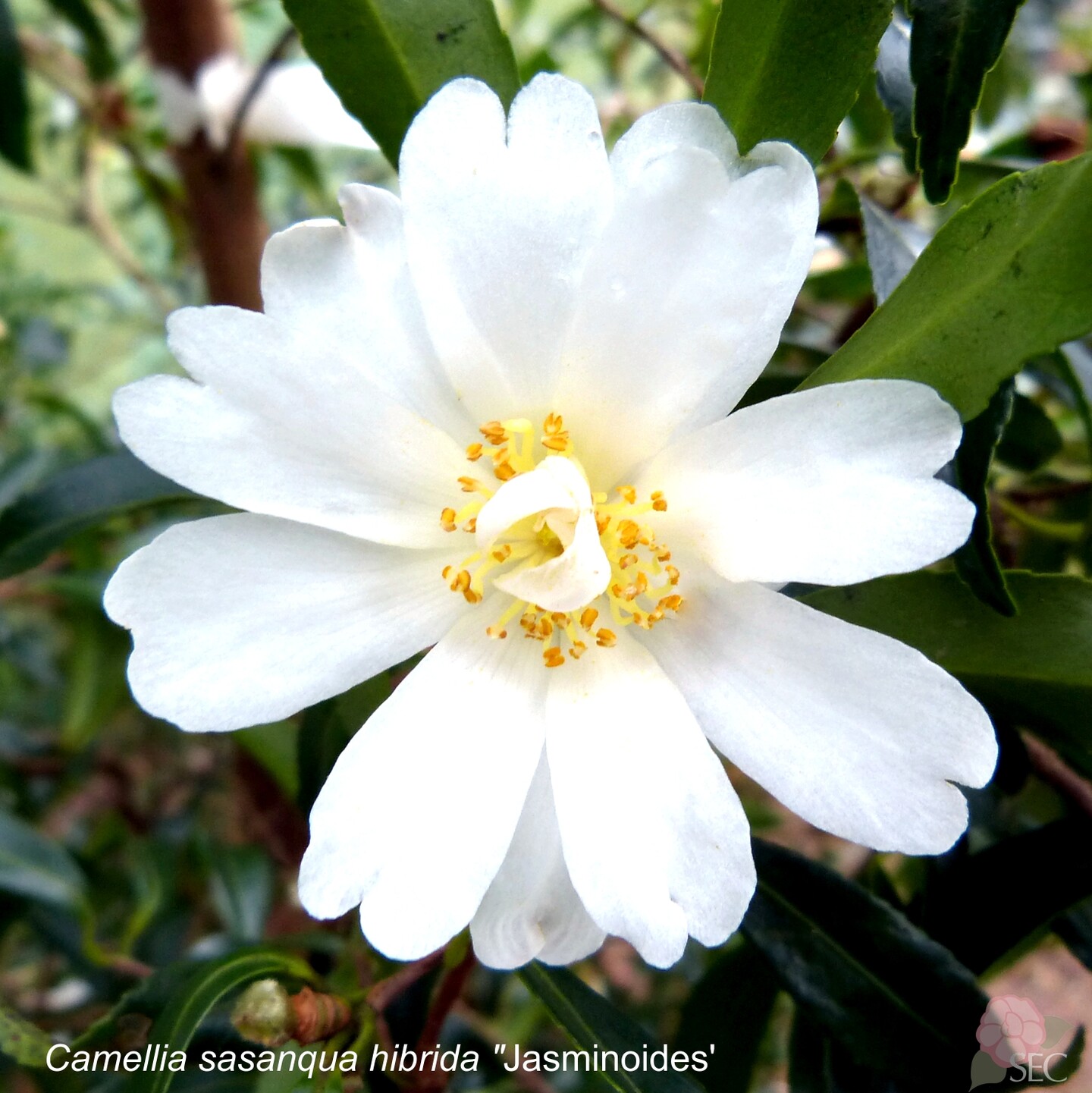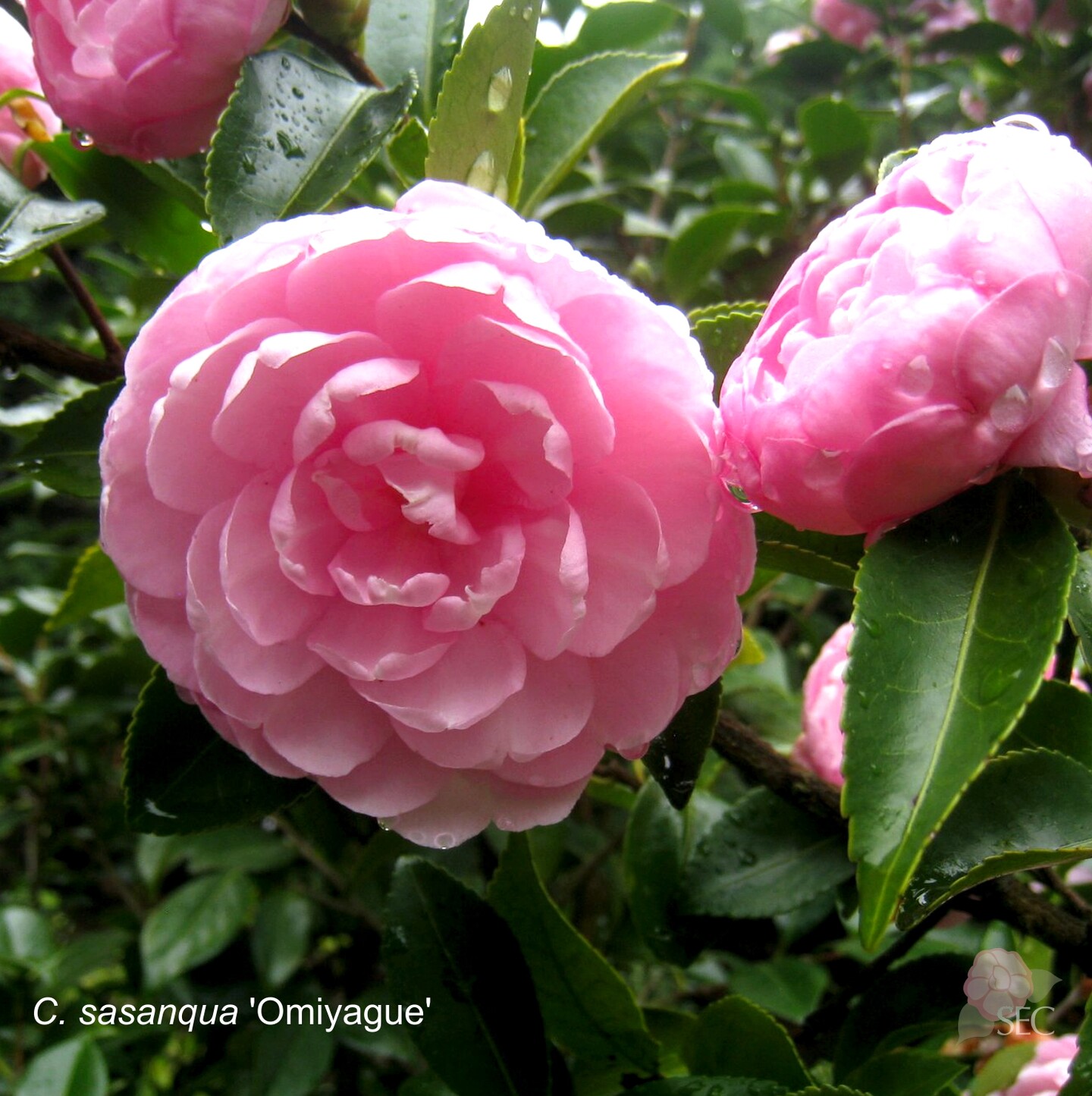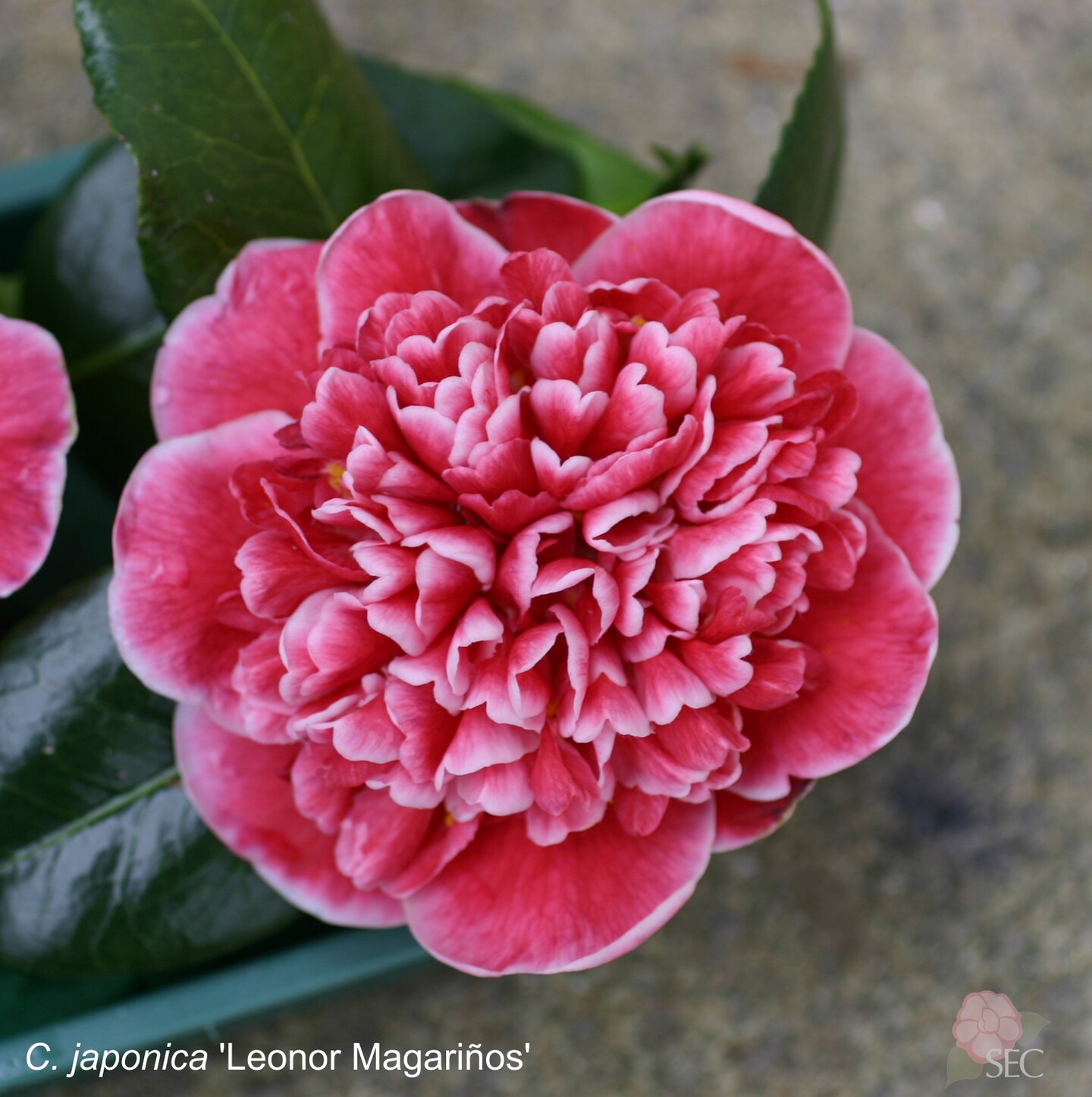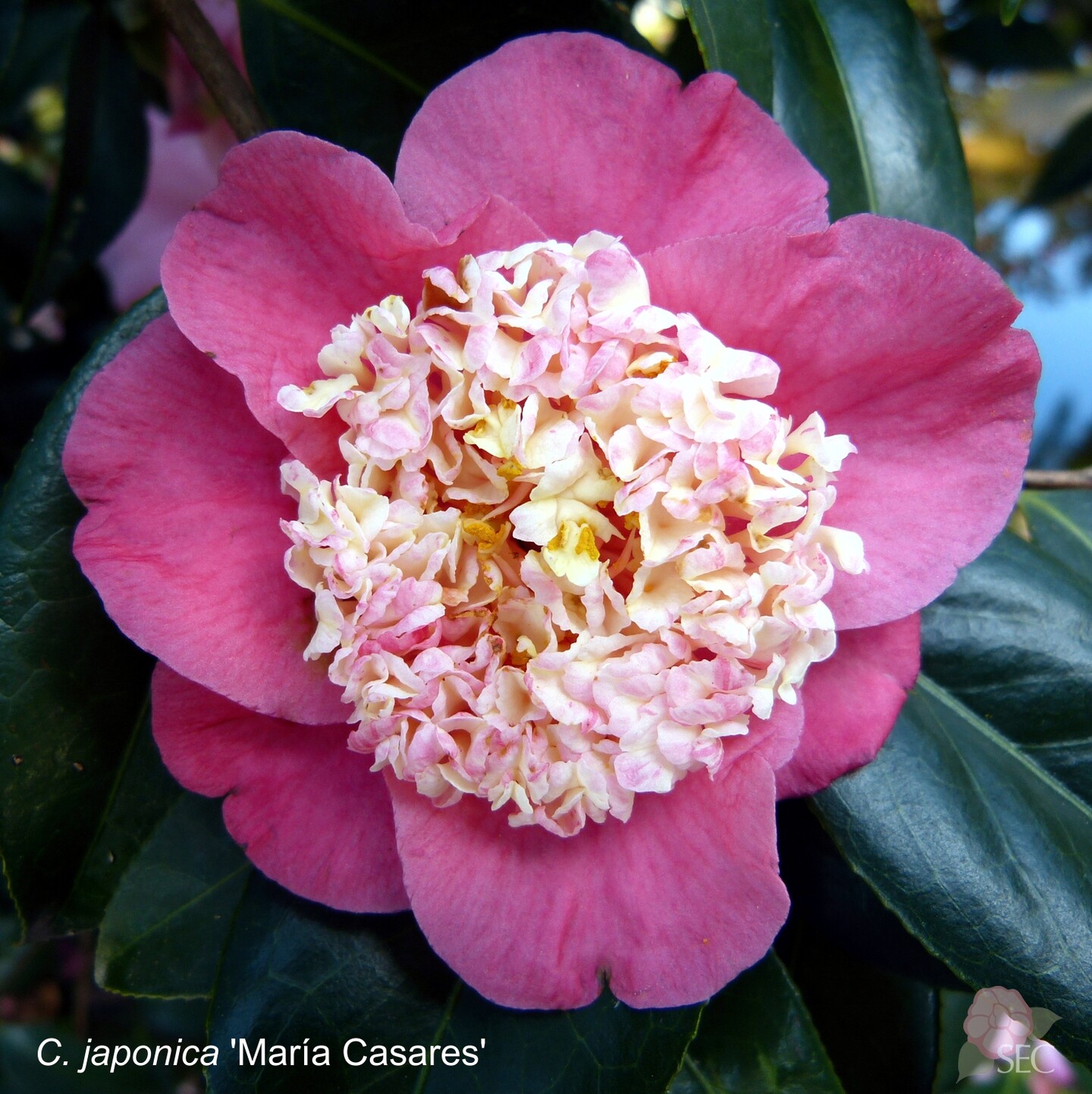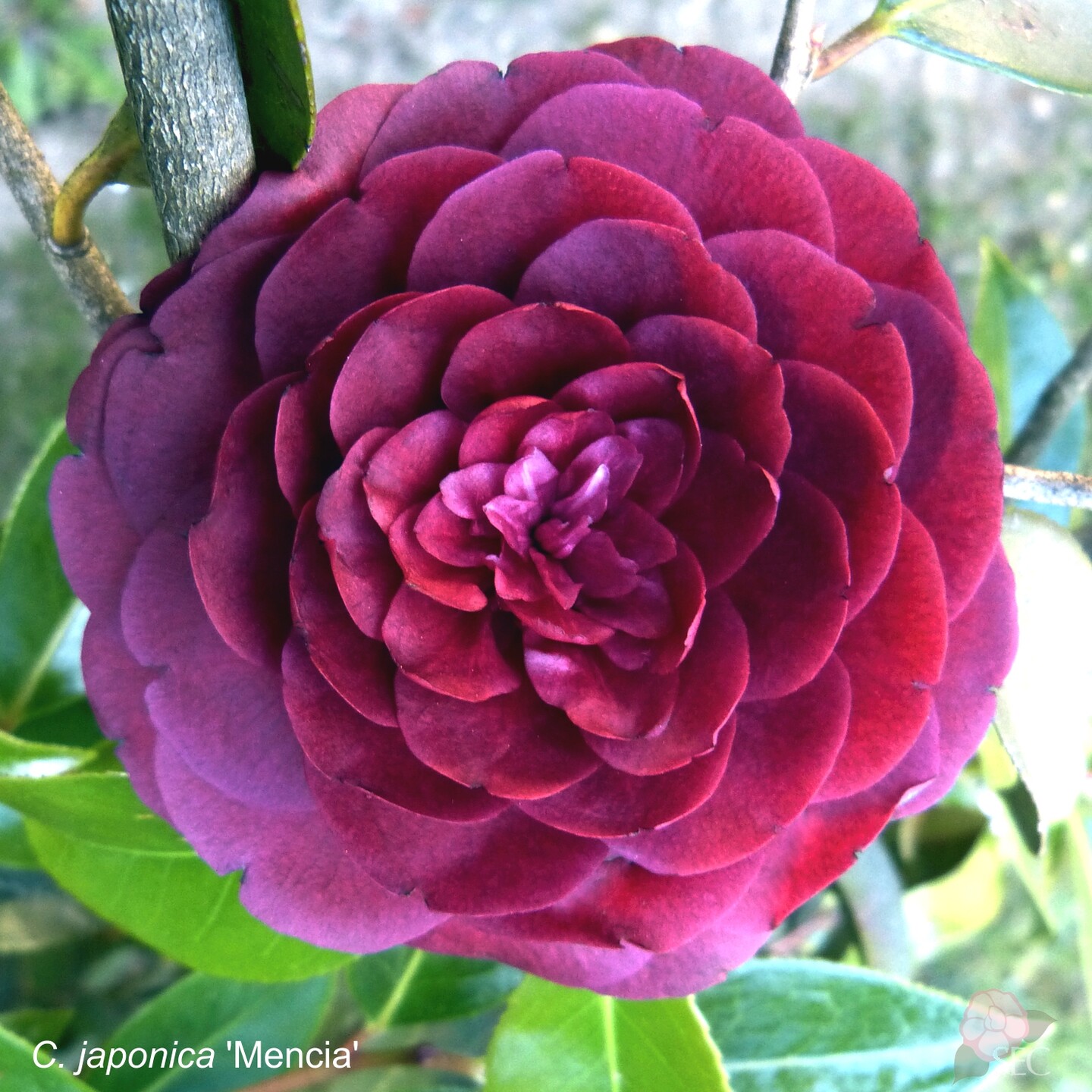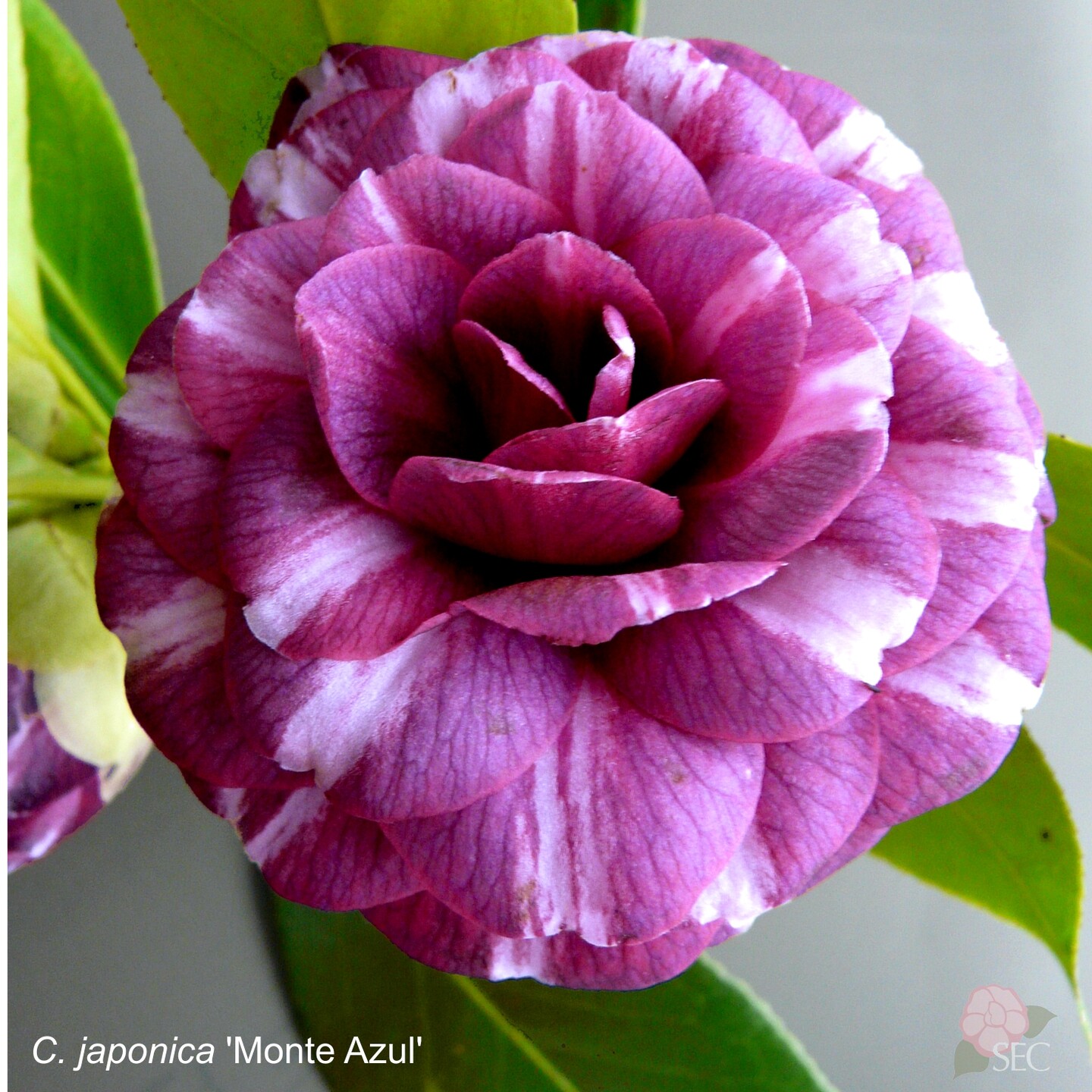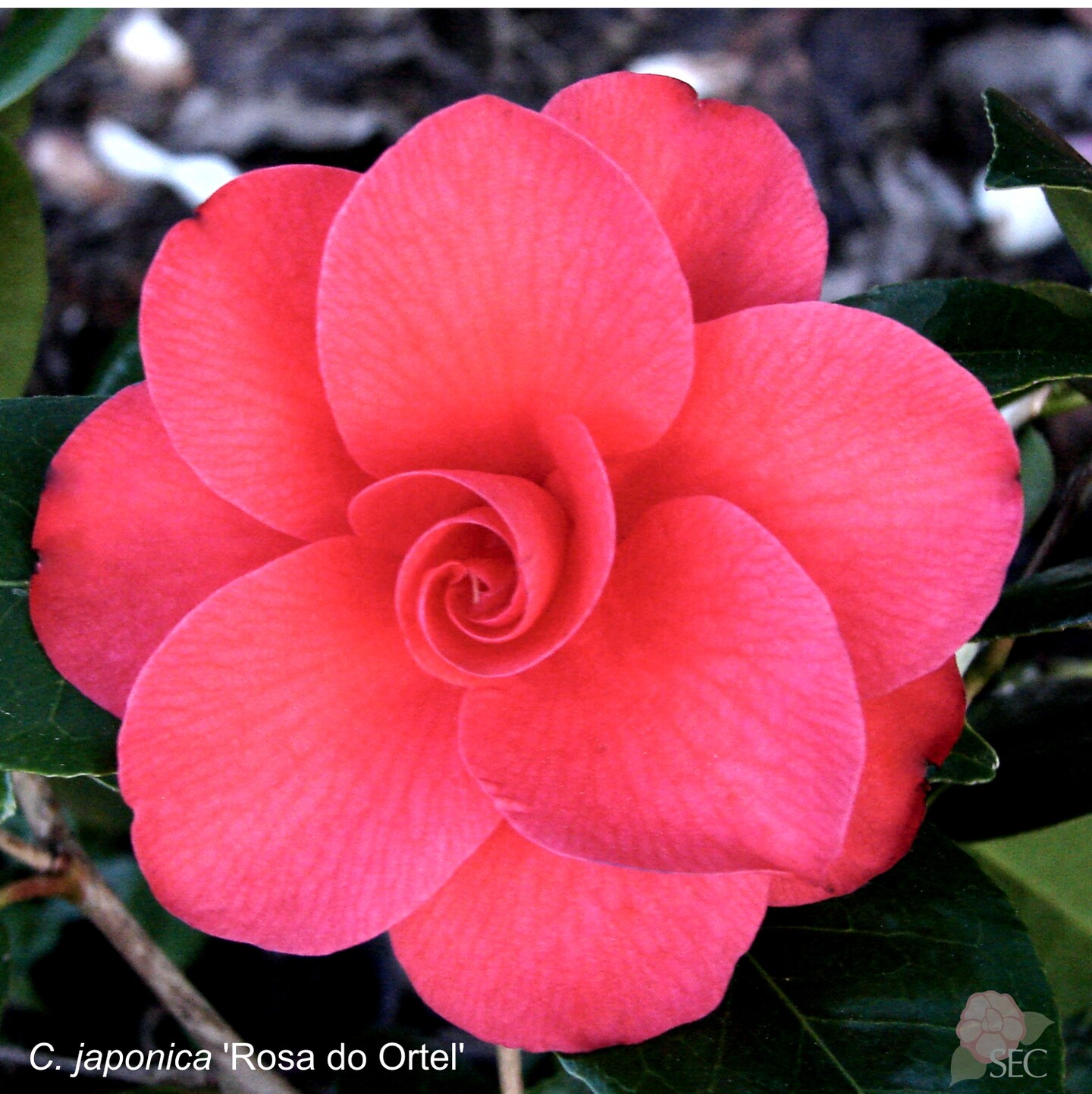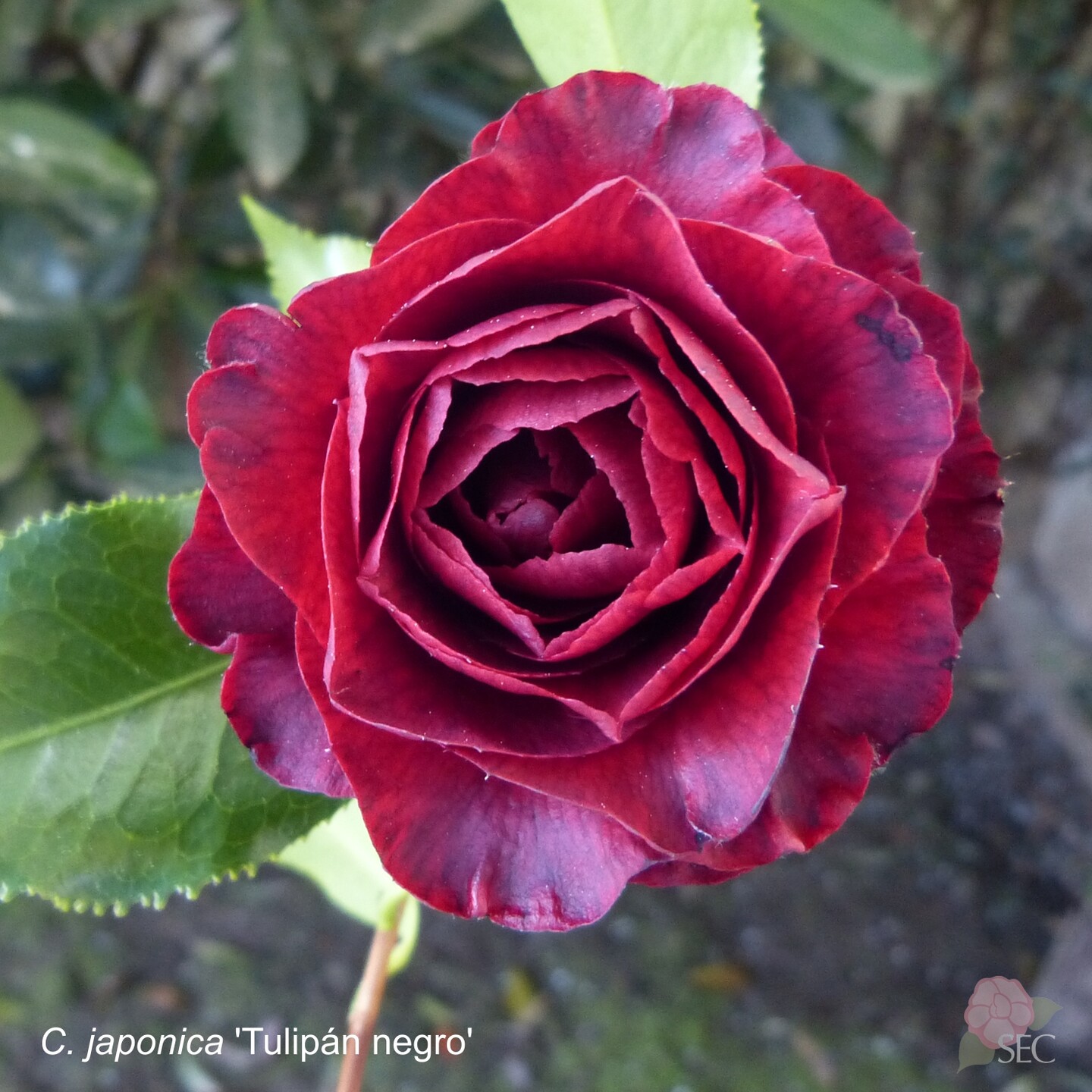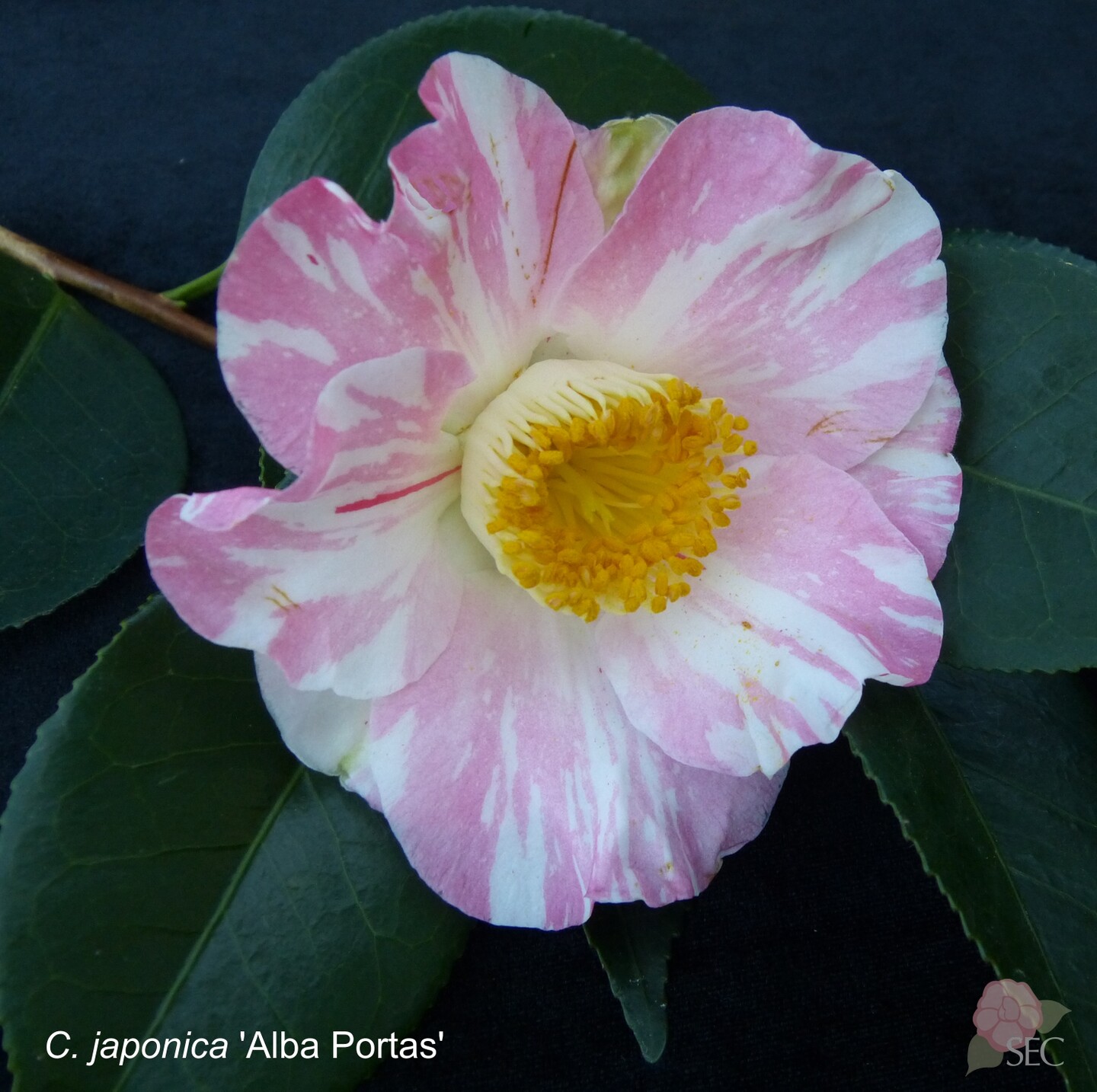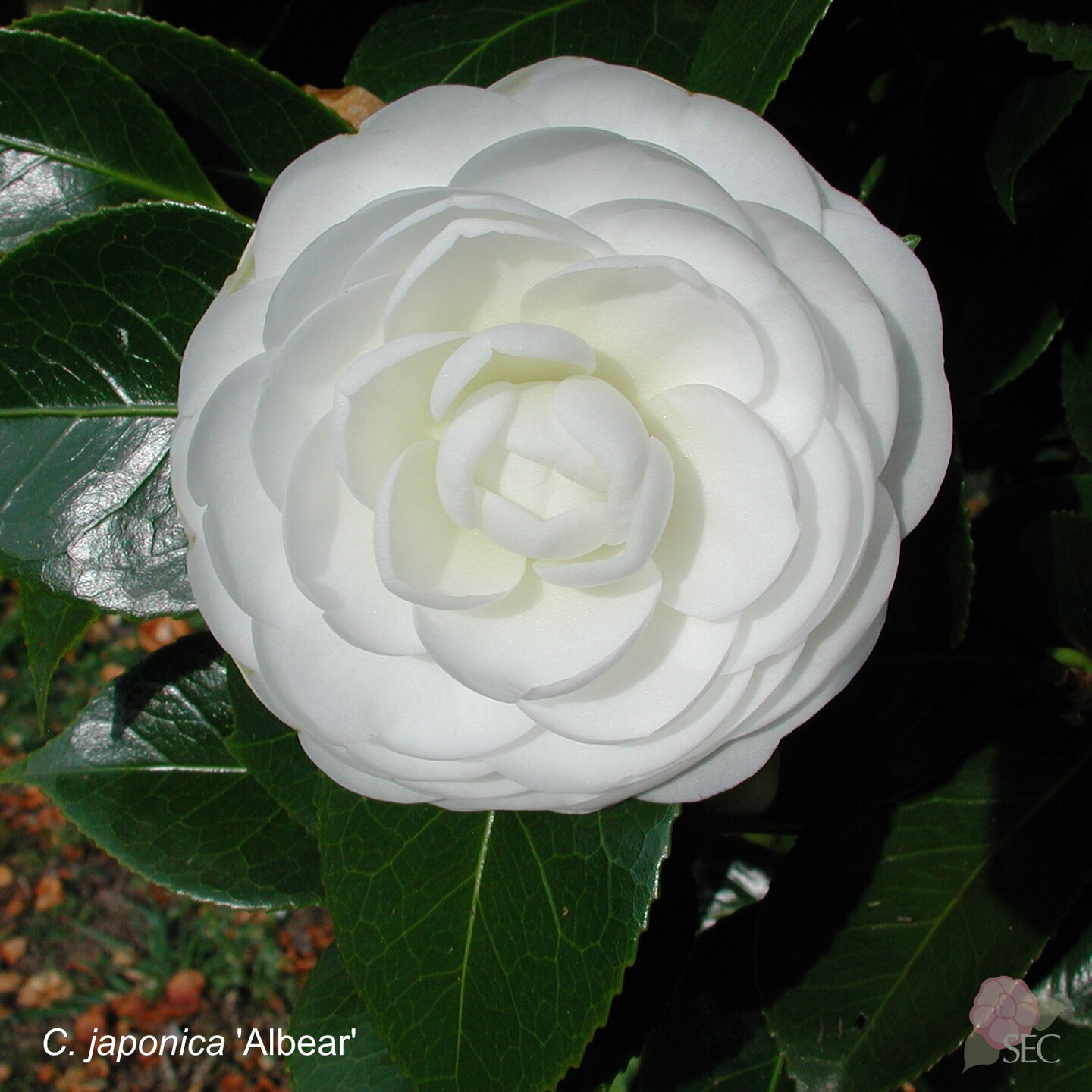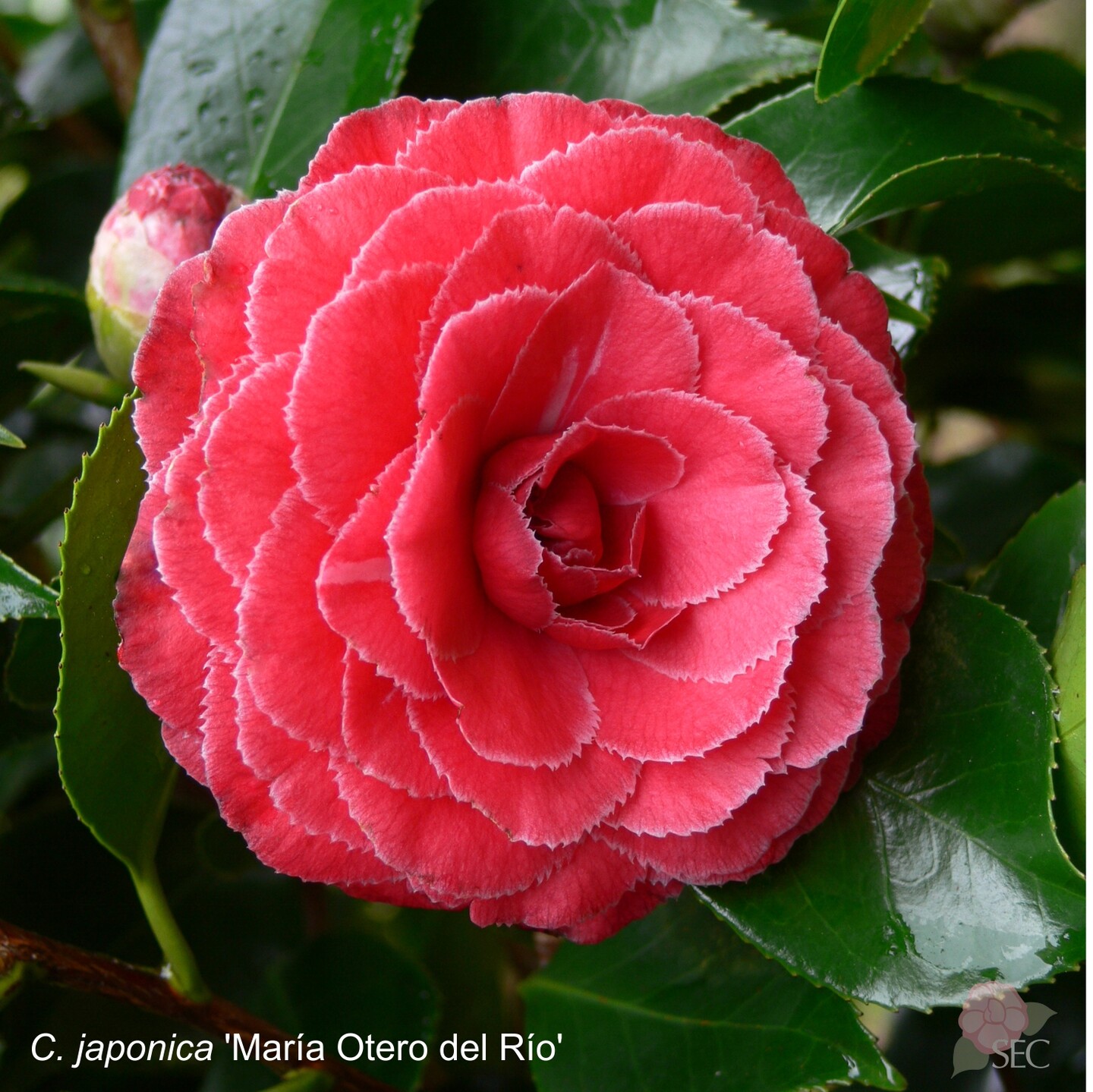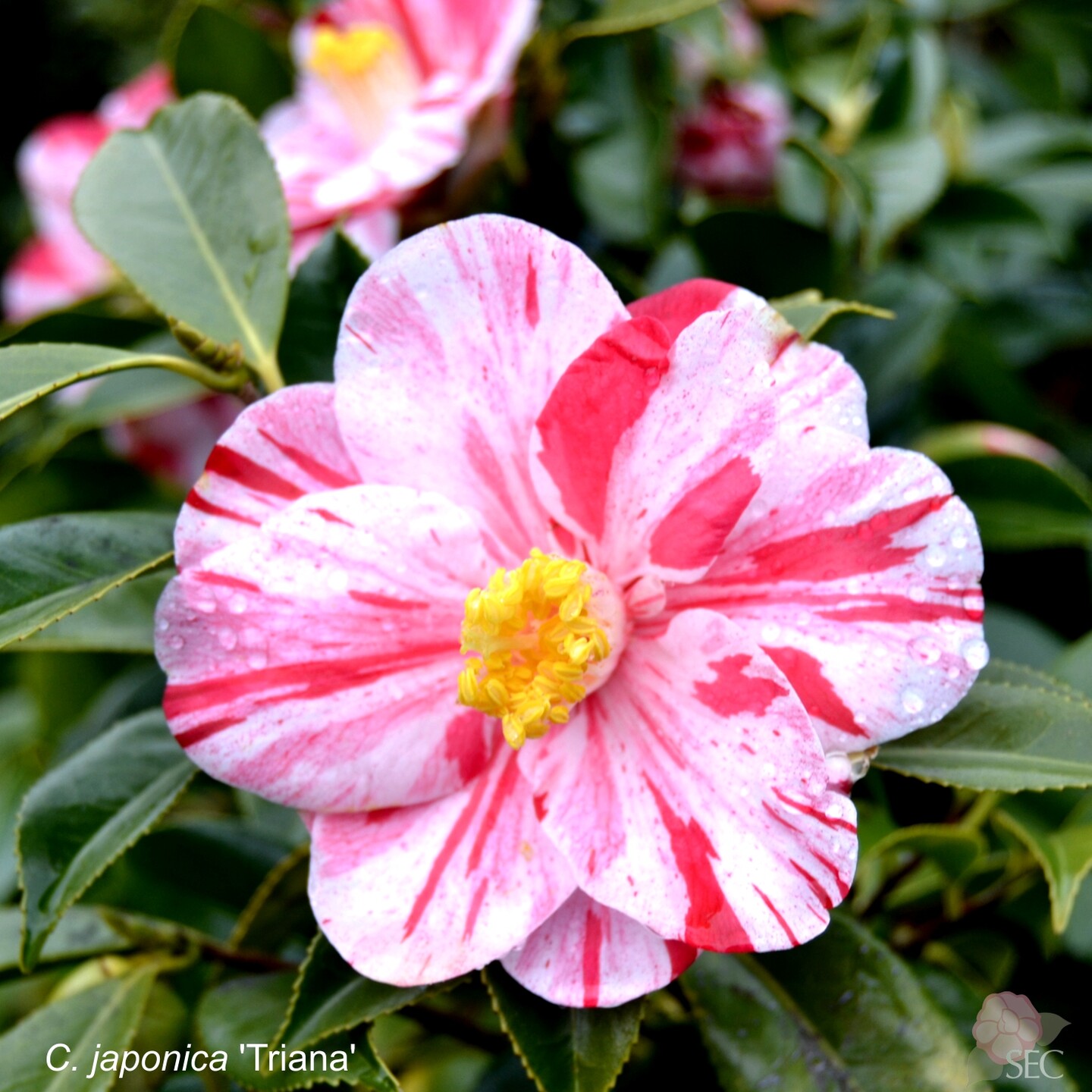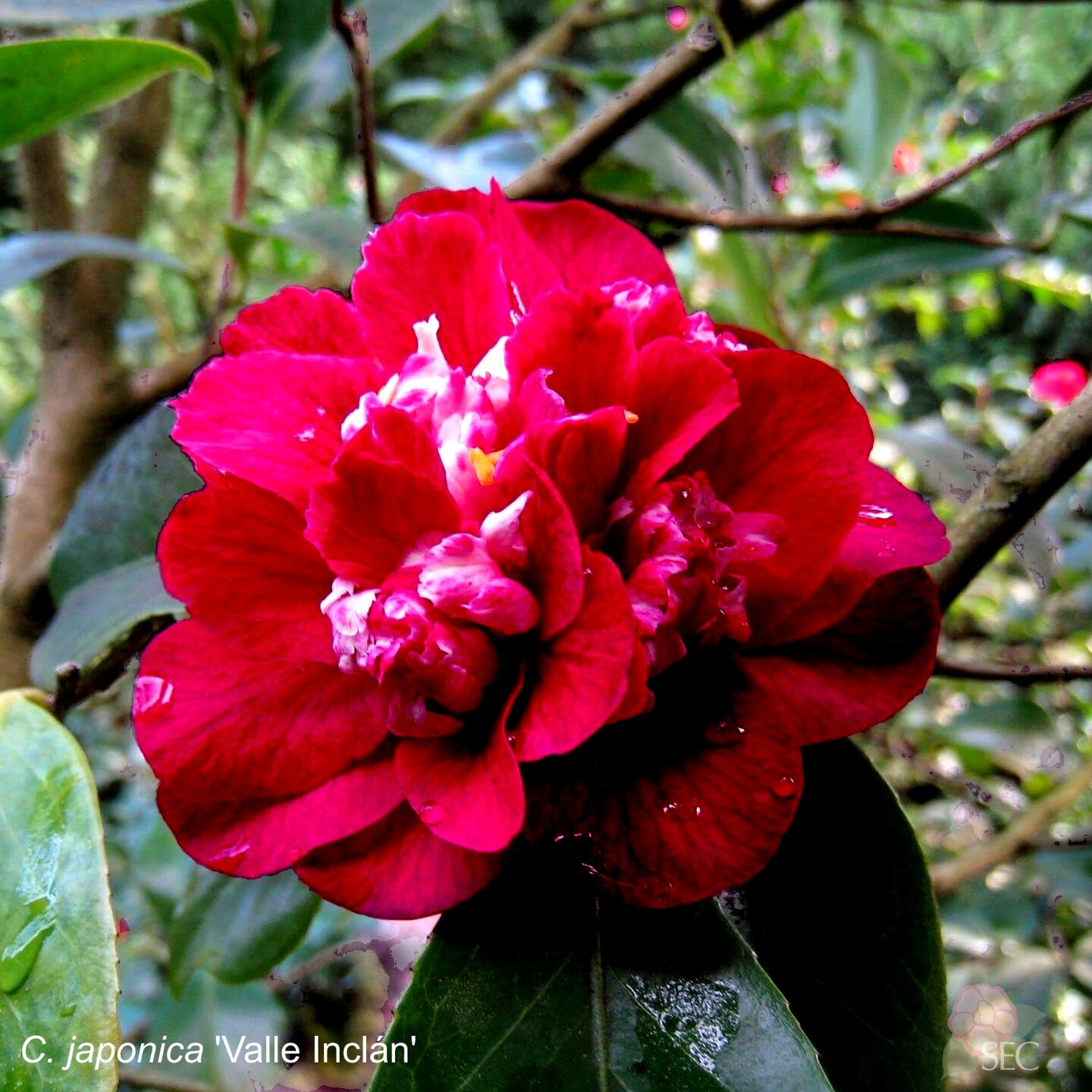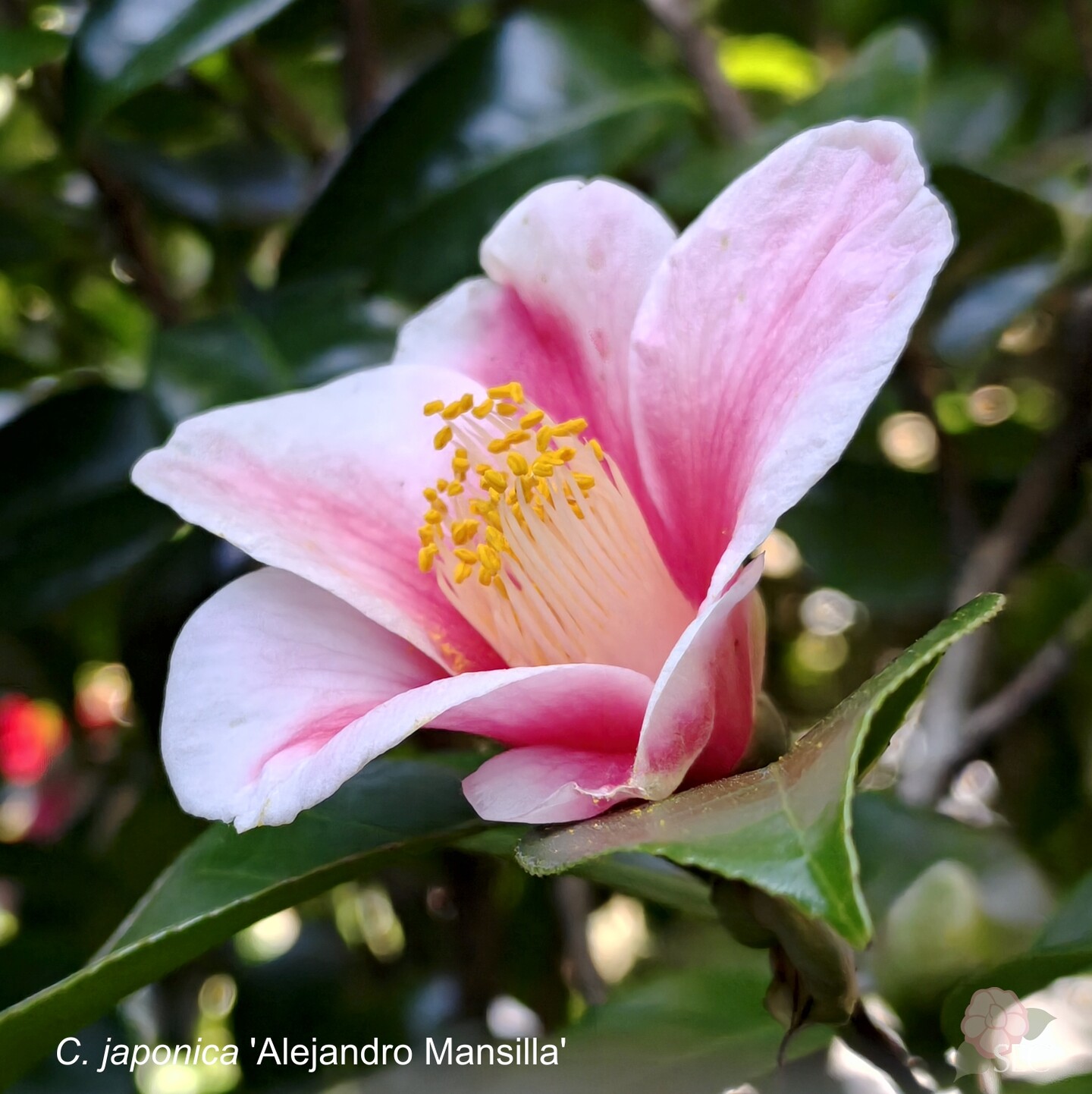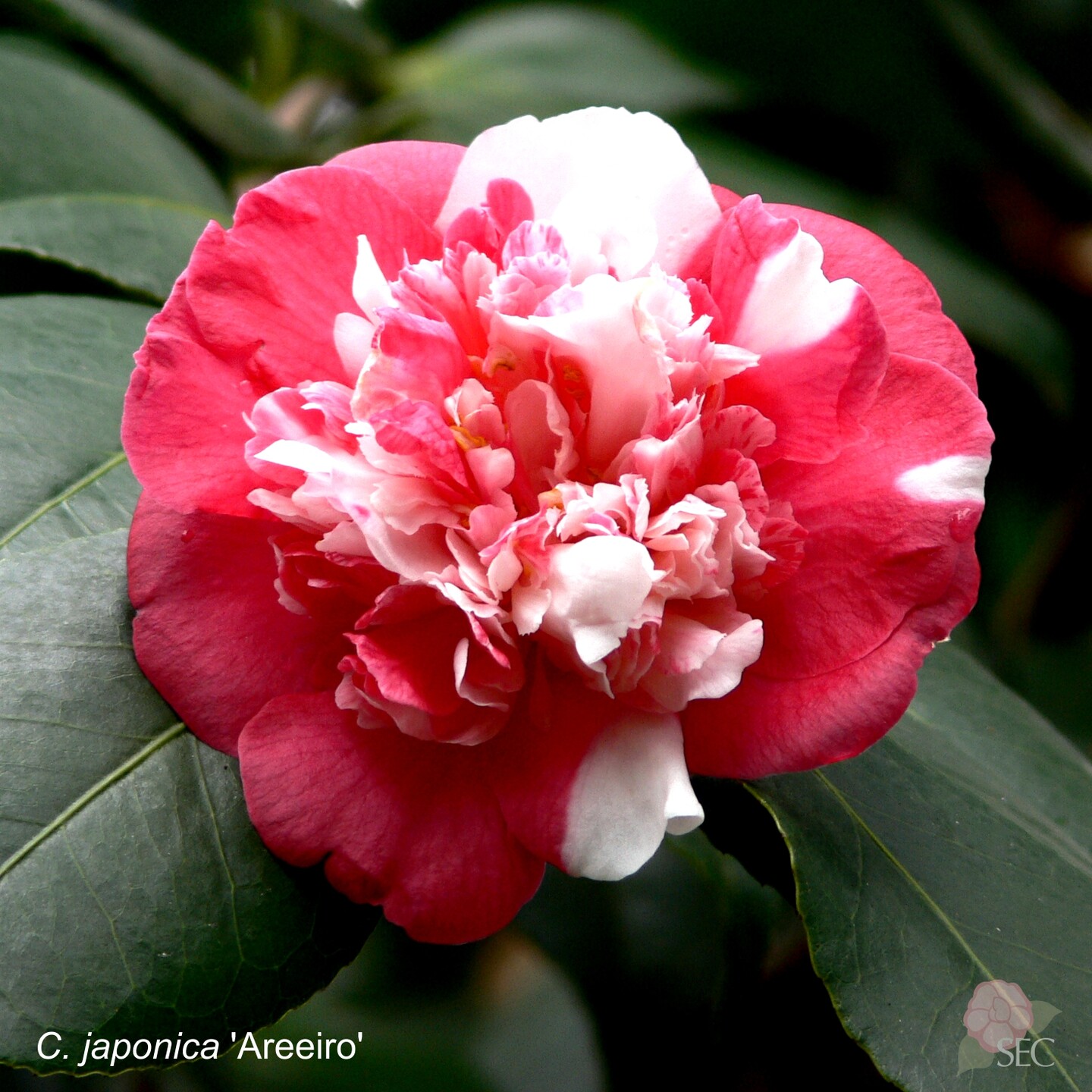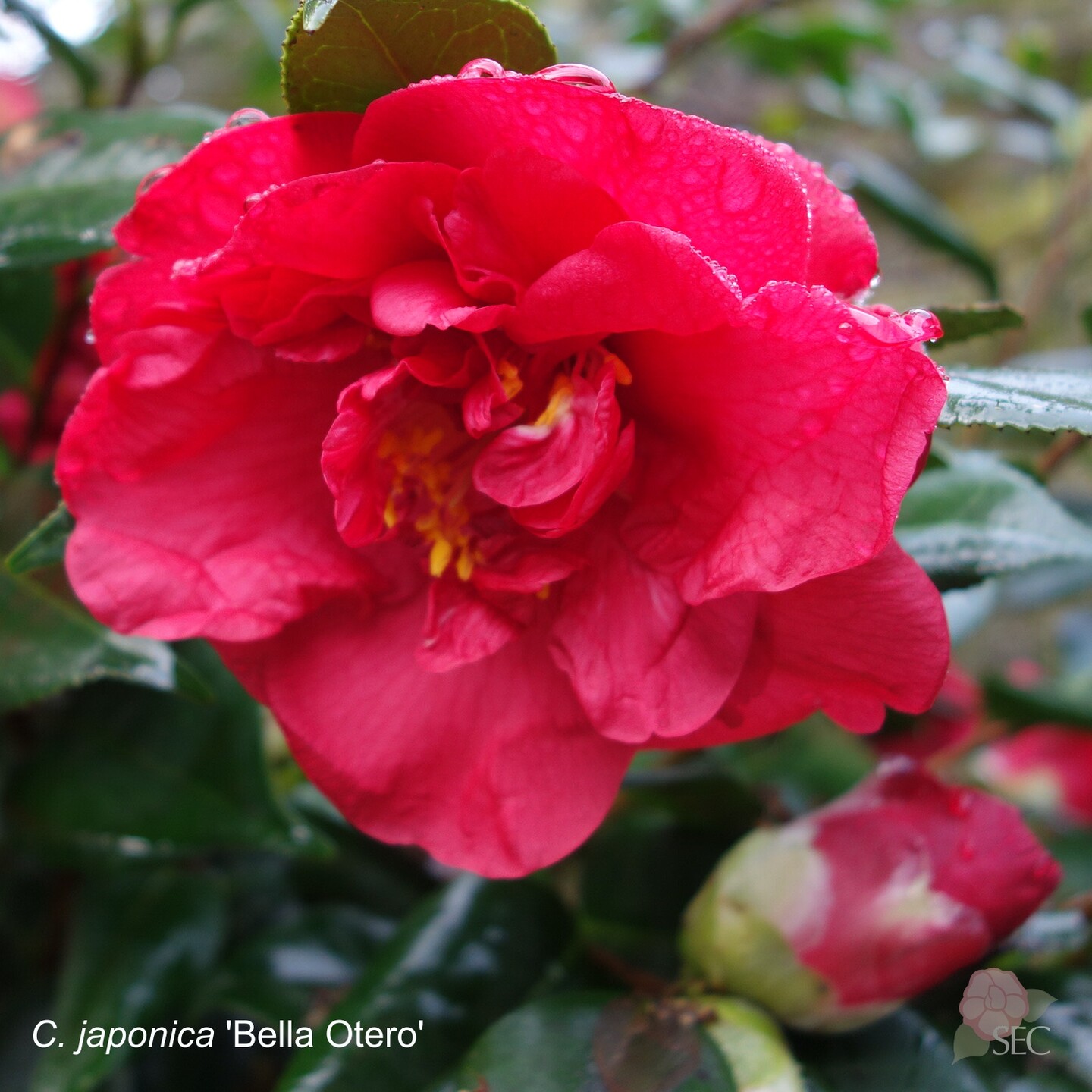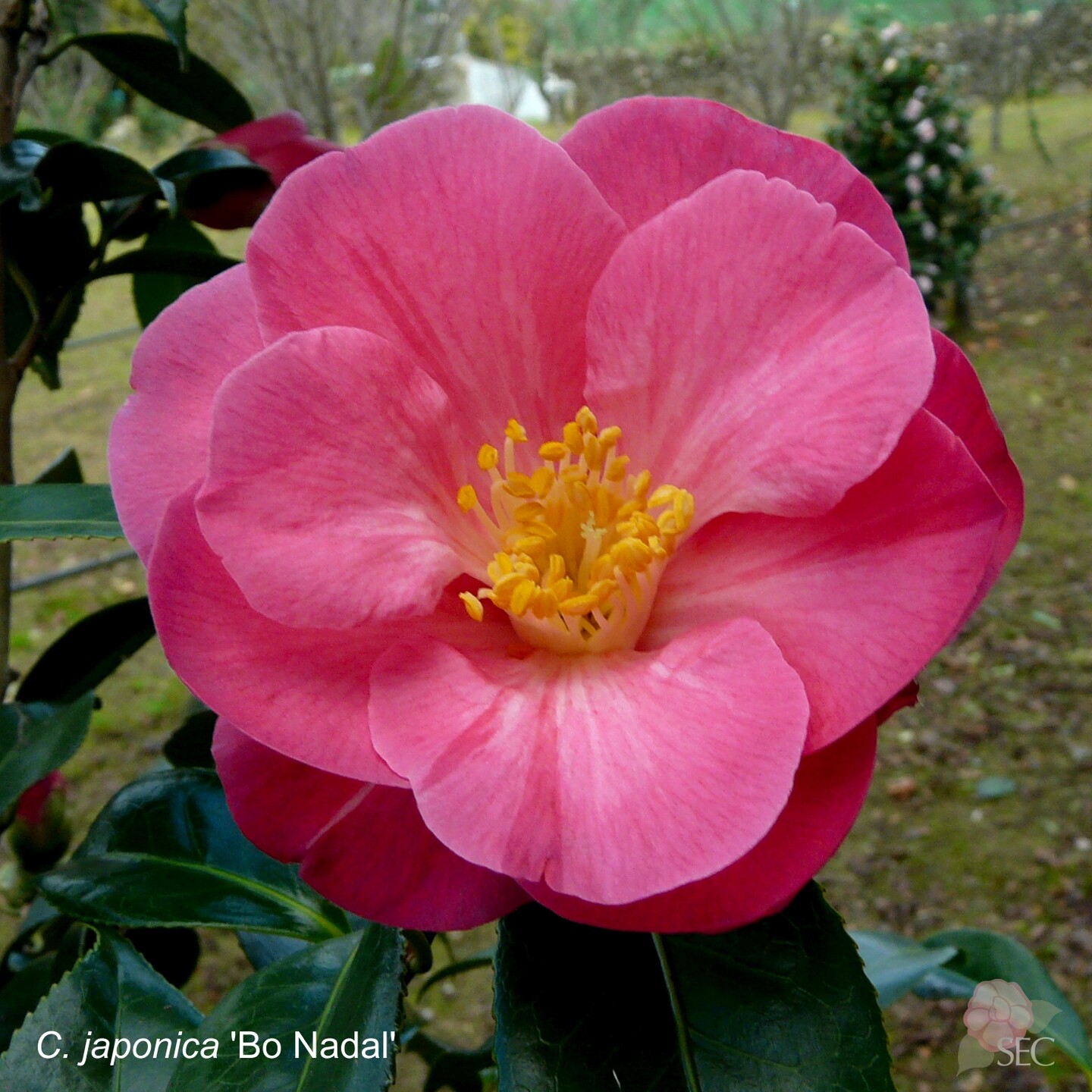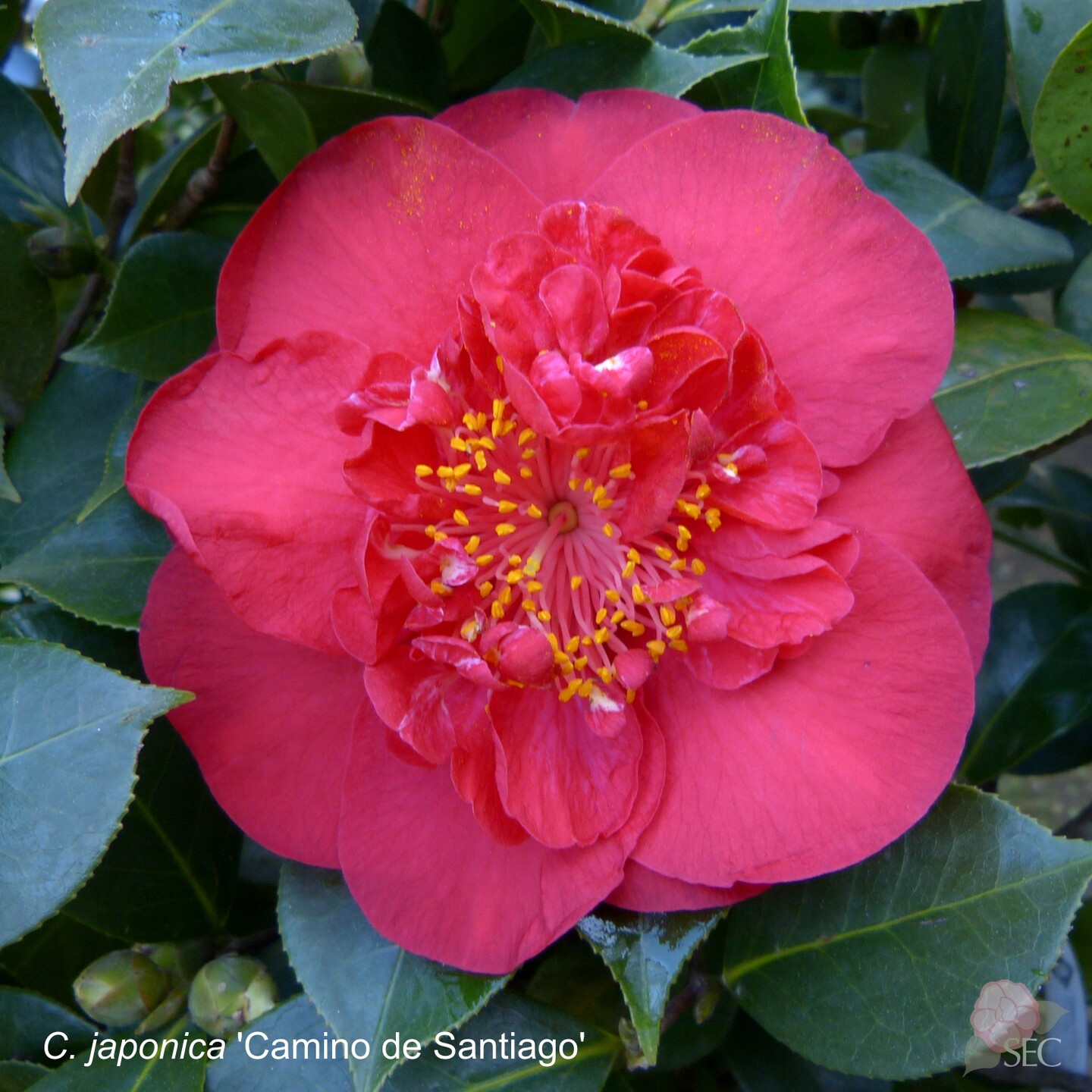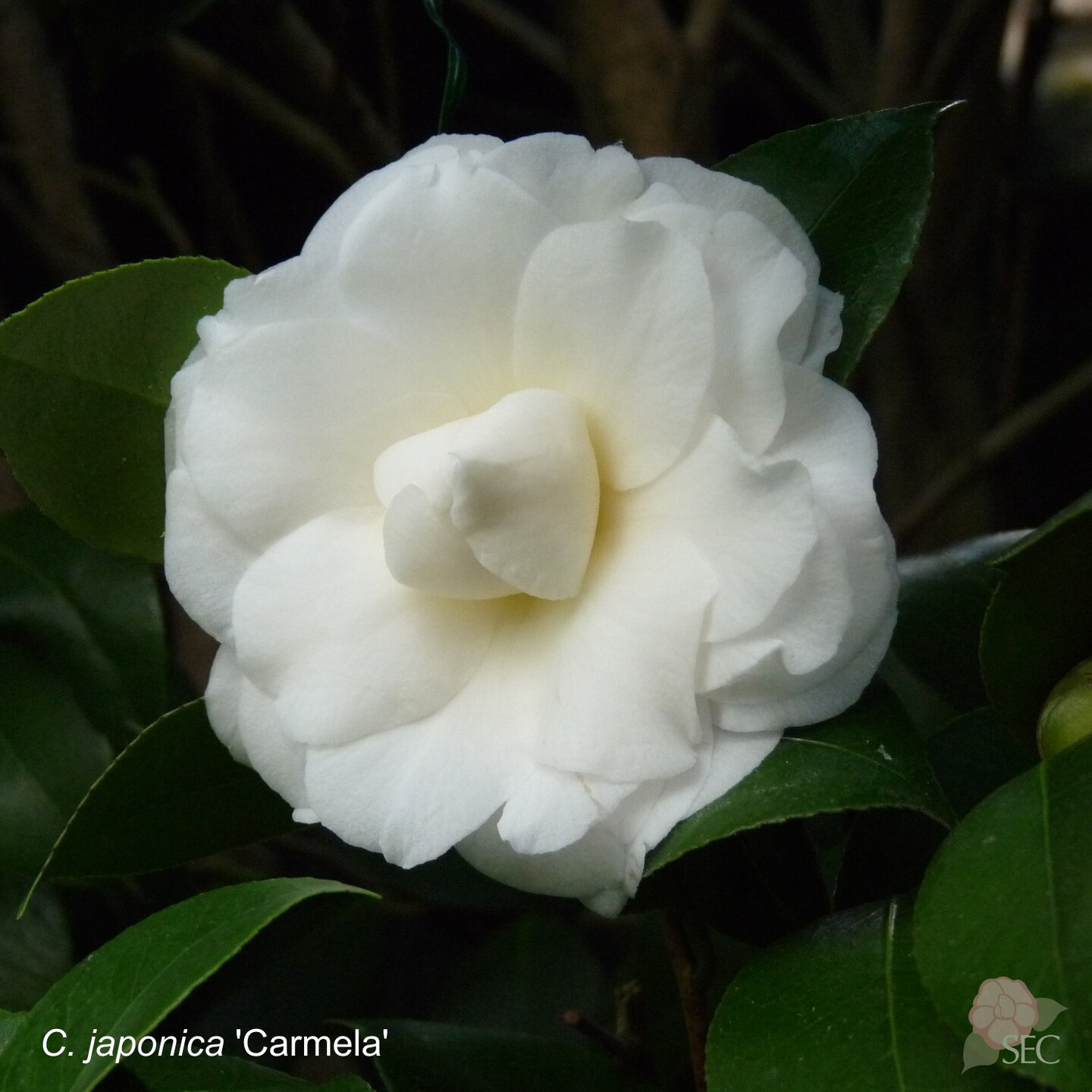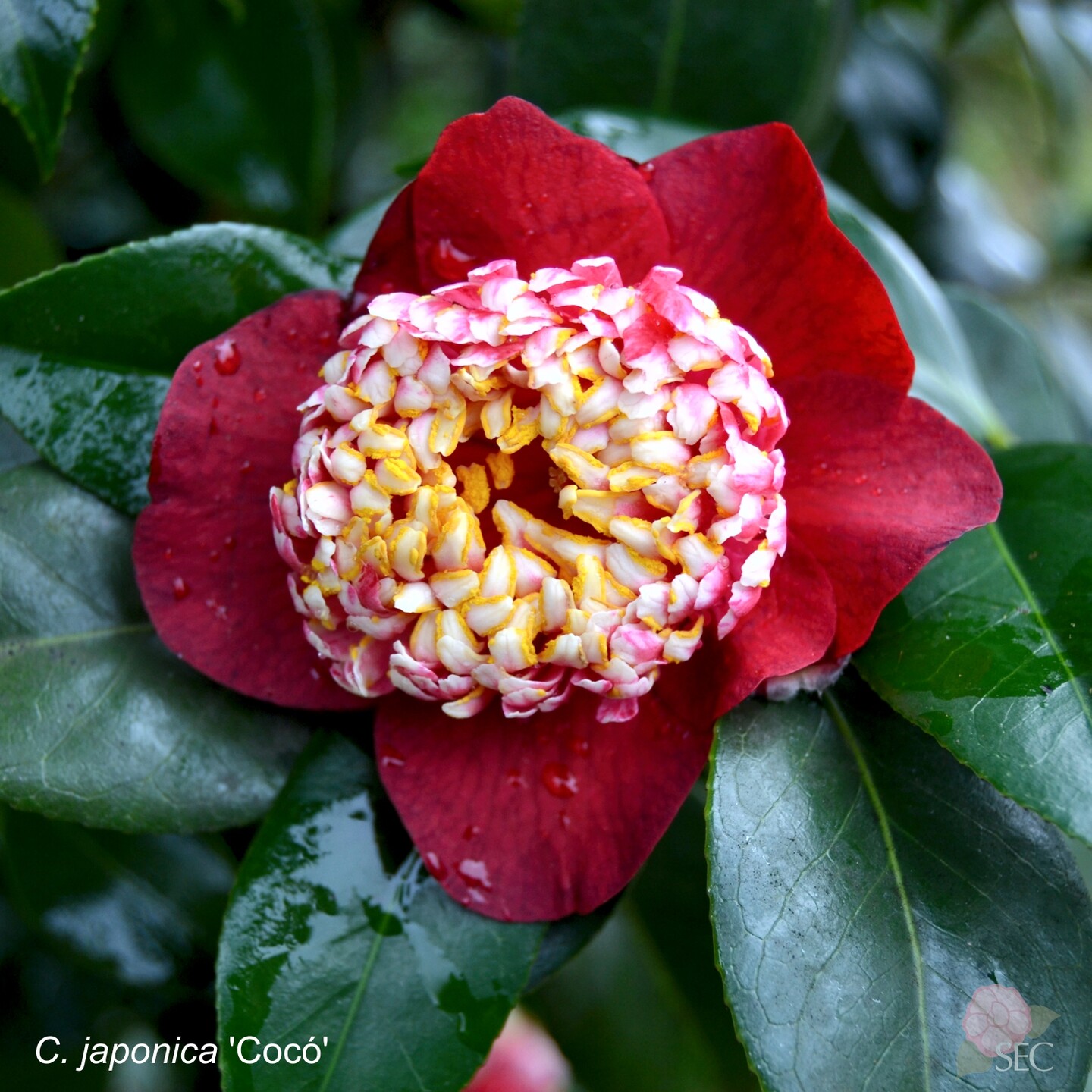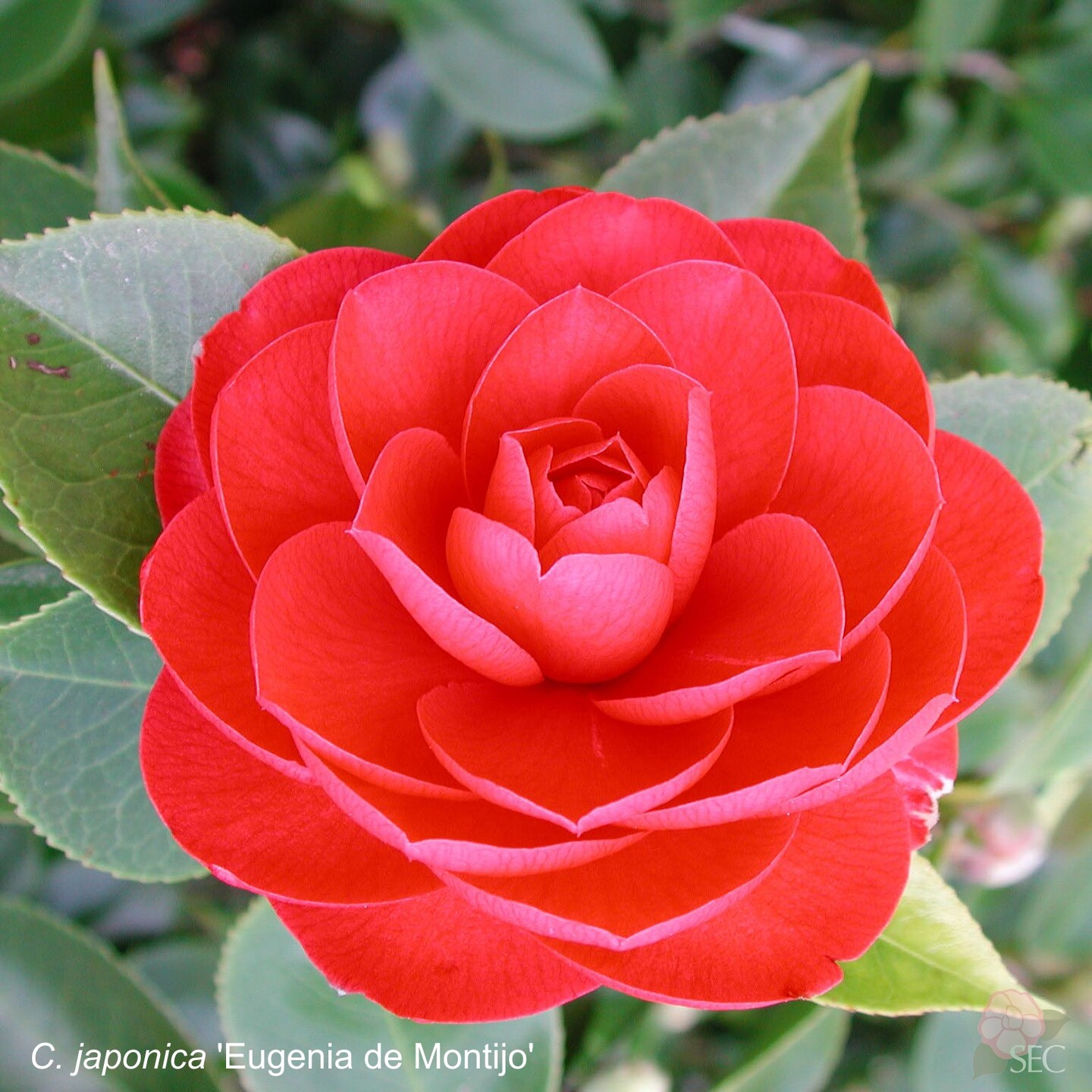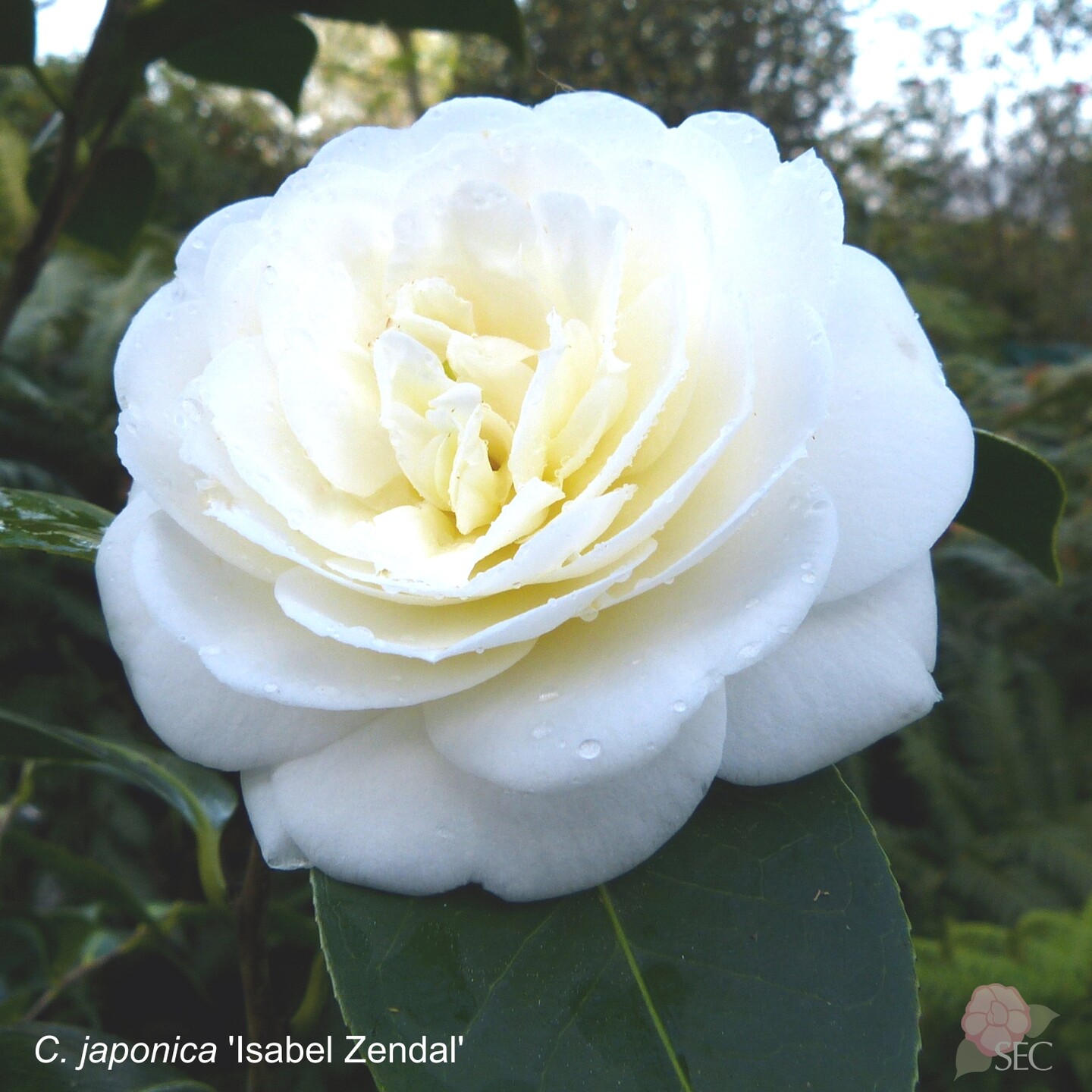


As one of Galicia’s most emblematic flowers, the camellia is inextricably linked to the region’s cultural and scenic landscape. Arriving between the 18th and 19th centuries via maritime trade routes with Portugal and other European nations, this flower discovered the perfect environment to flourish in Galicia's mild, damp climate. Ever since, historic gardens, pazos (traditional stately country houses or manors), and botanical spaces across the region have nurtured and enriched this unrivalled heritage. Today, these efforts have firmly established Galicia as a leading global benchmark for the cultivation and conservation of the camellia.
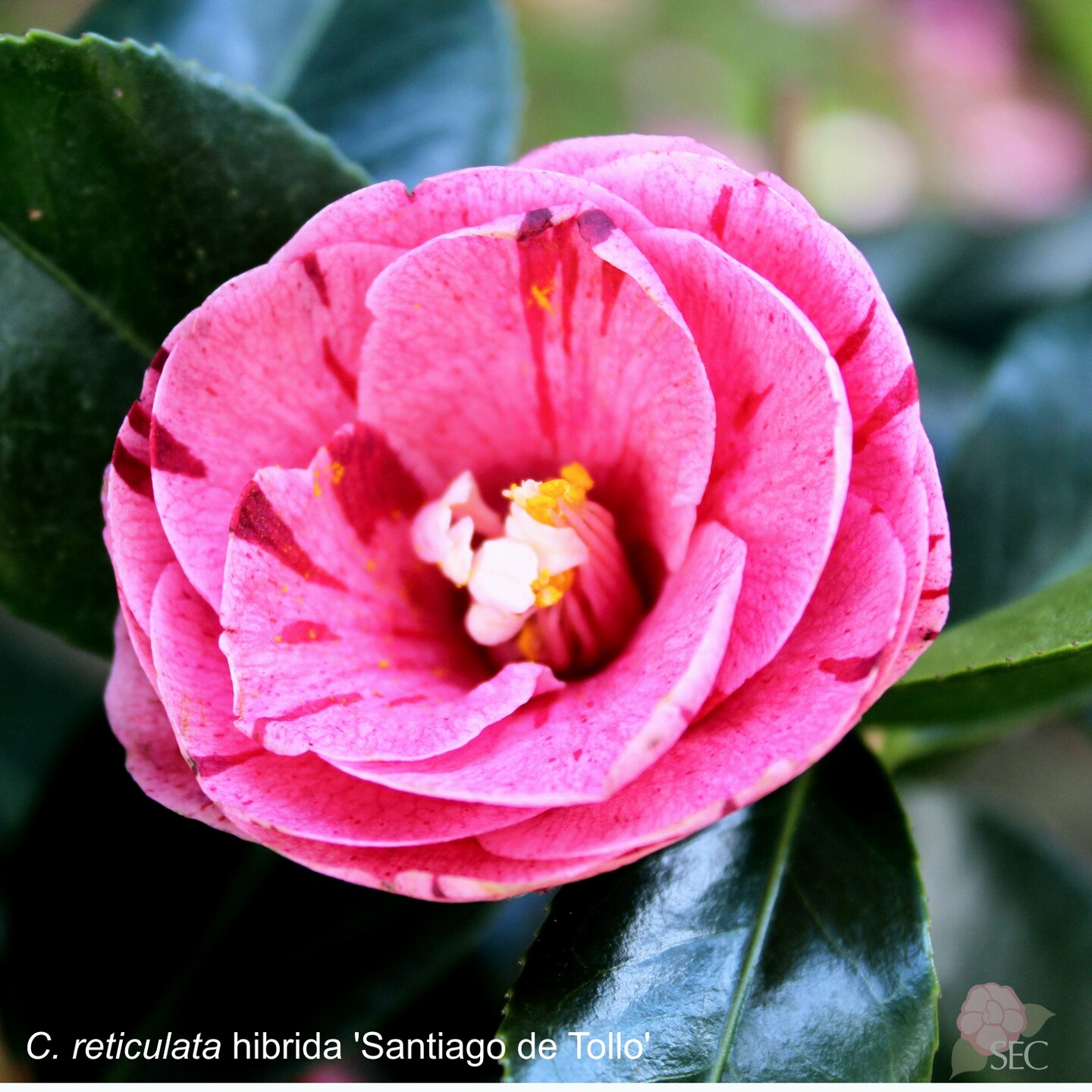
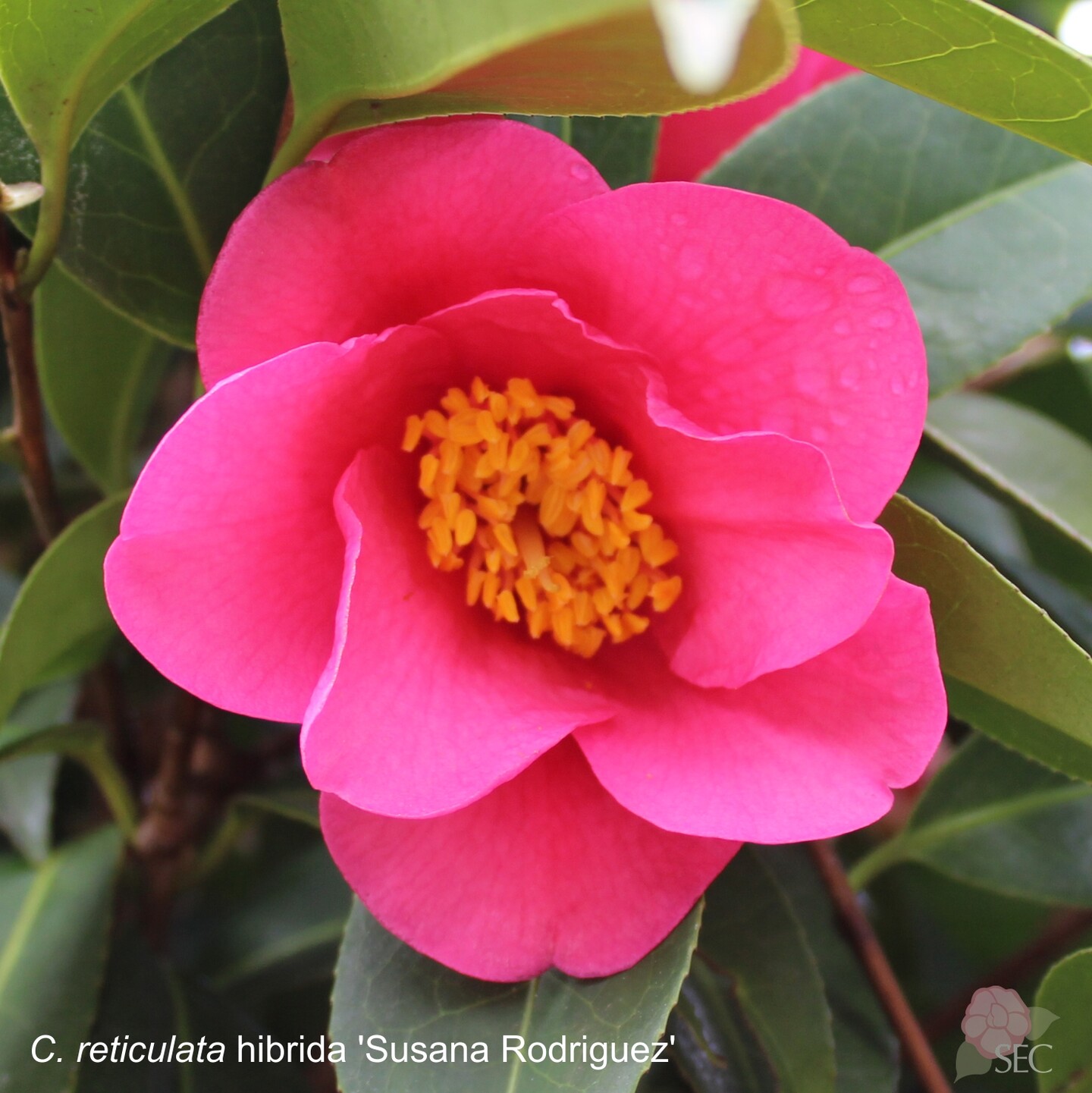
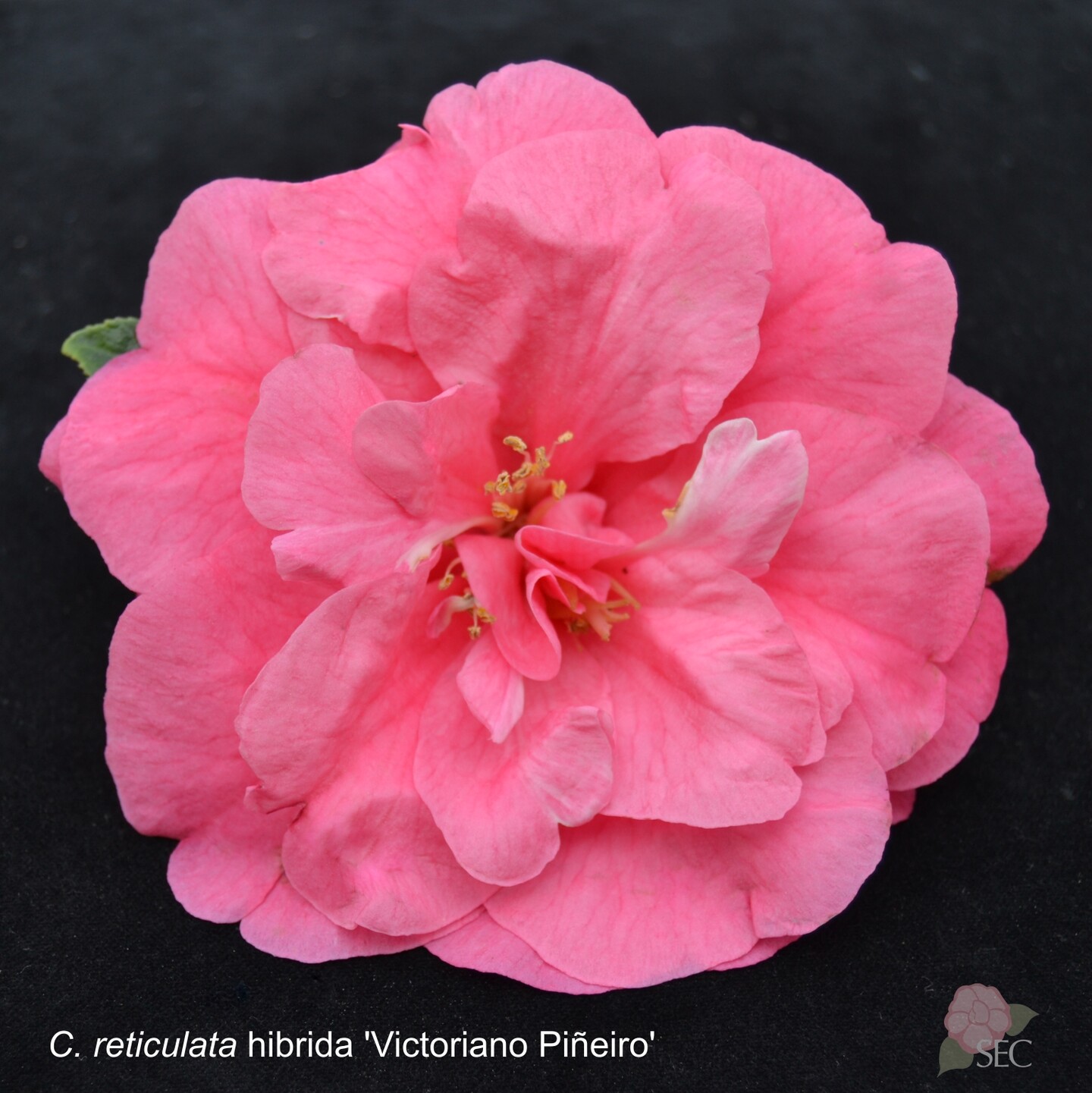
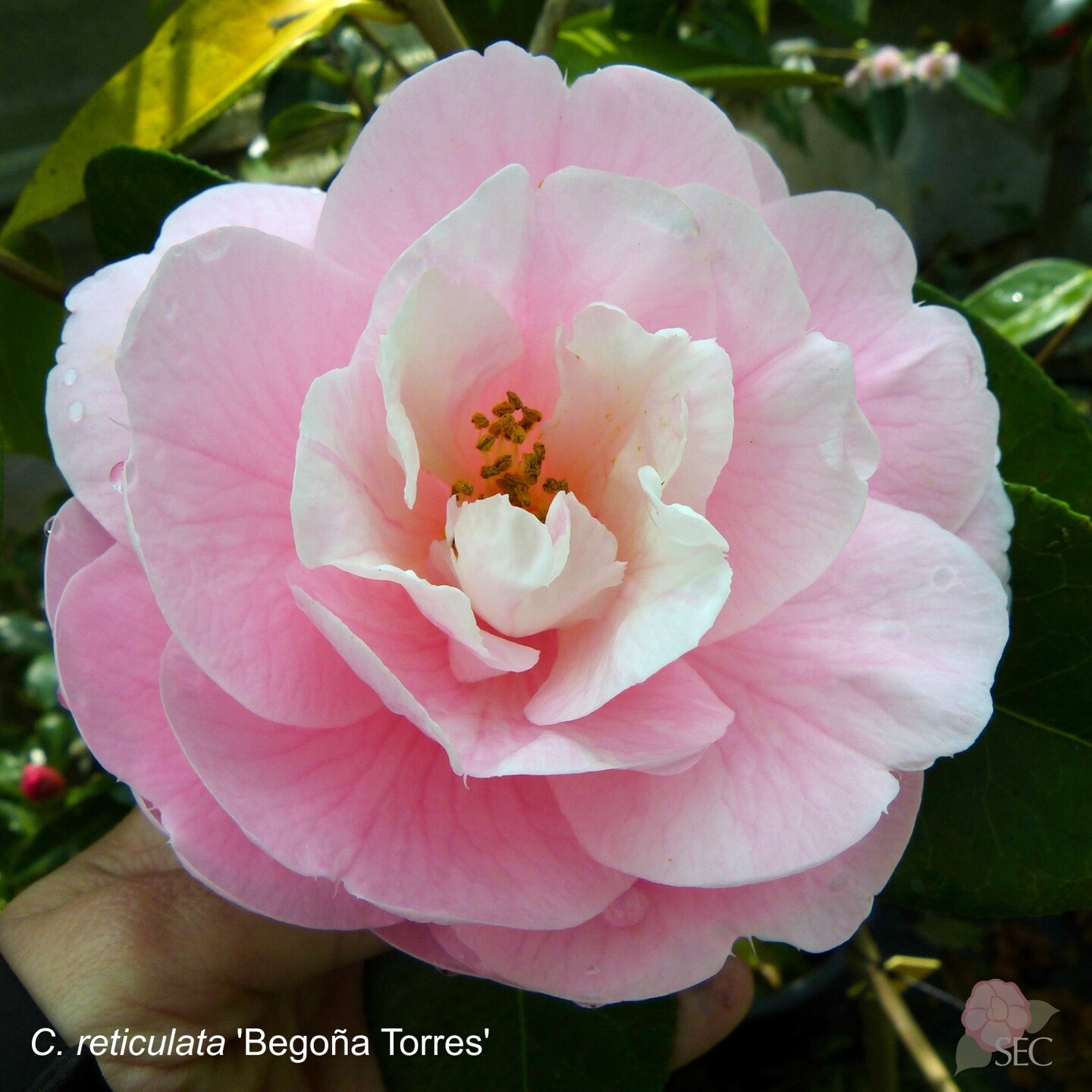
Beyond its profound ornamental and cultural value, Galicia has also distinguished itself through its pivotal role in breeding new cultivars. A ‘cultivar’ (ie cultivated variety) refers to a group of plants specially selected by humans for unique traits such as the size, colour, or shape of the bloom. To successfully preserve their genetic identity, these features must remain distinct, uniform, and stable following vegetative reproduction. This is what sets it apart from a naturally occurring ‘botanical variety’. Over the past 25 years, members of the Spanish Camellia Society have successfully bred and registered over 100 cultivars. This achievement continues to enrich Galicia’s extraordinary botanical heritage, cementing the region’s status as a premier international benchmark in the world of camellias.